One of our Boscov’s Travel Advisors embarked on a Majestic South Africa land tour! Read his incredible experience below:
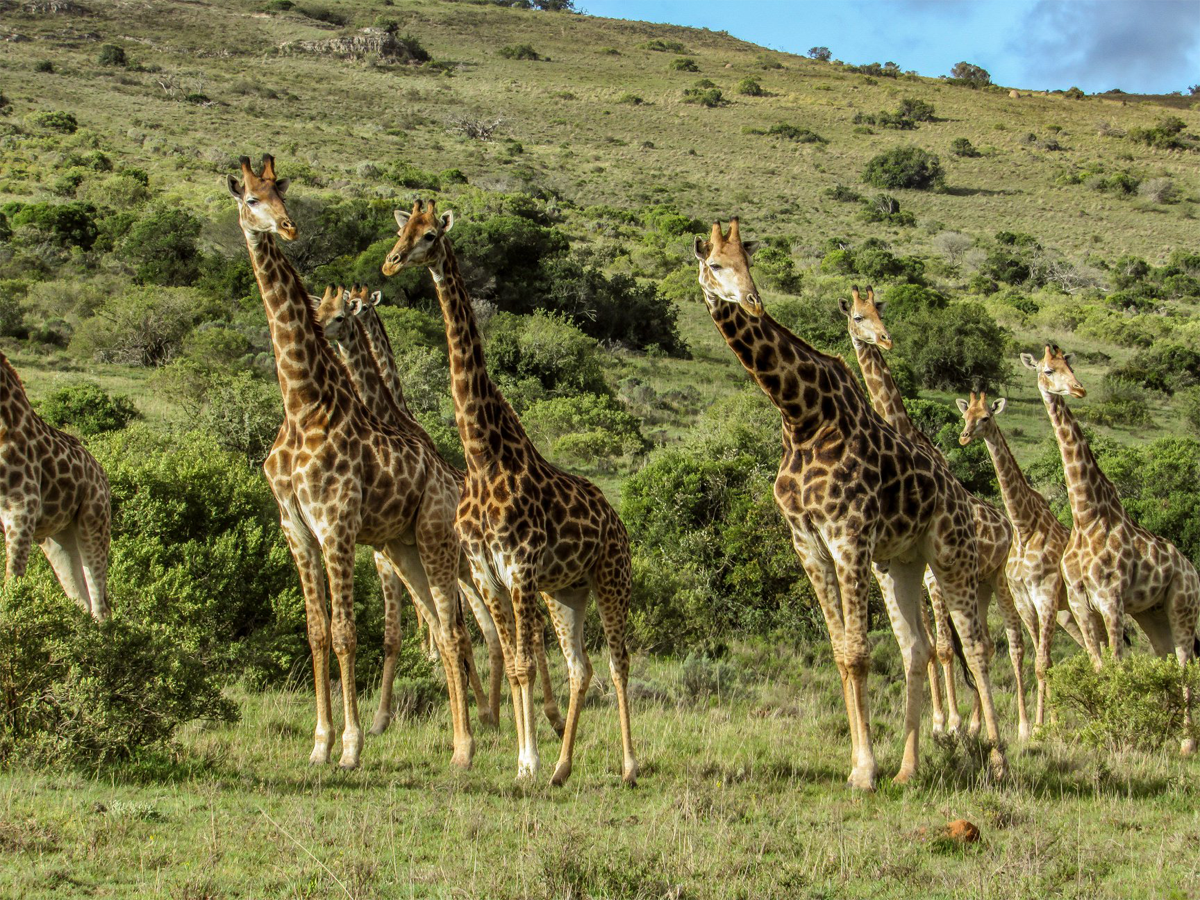 Giraffe
Q: Was this your first time visiting Africa? – A: Yes, it was. I’ve been wanting to travel there for a long time, and it was great to finally get it off the bucket list and see it for myself.
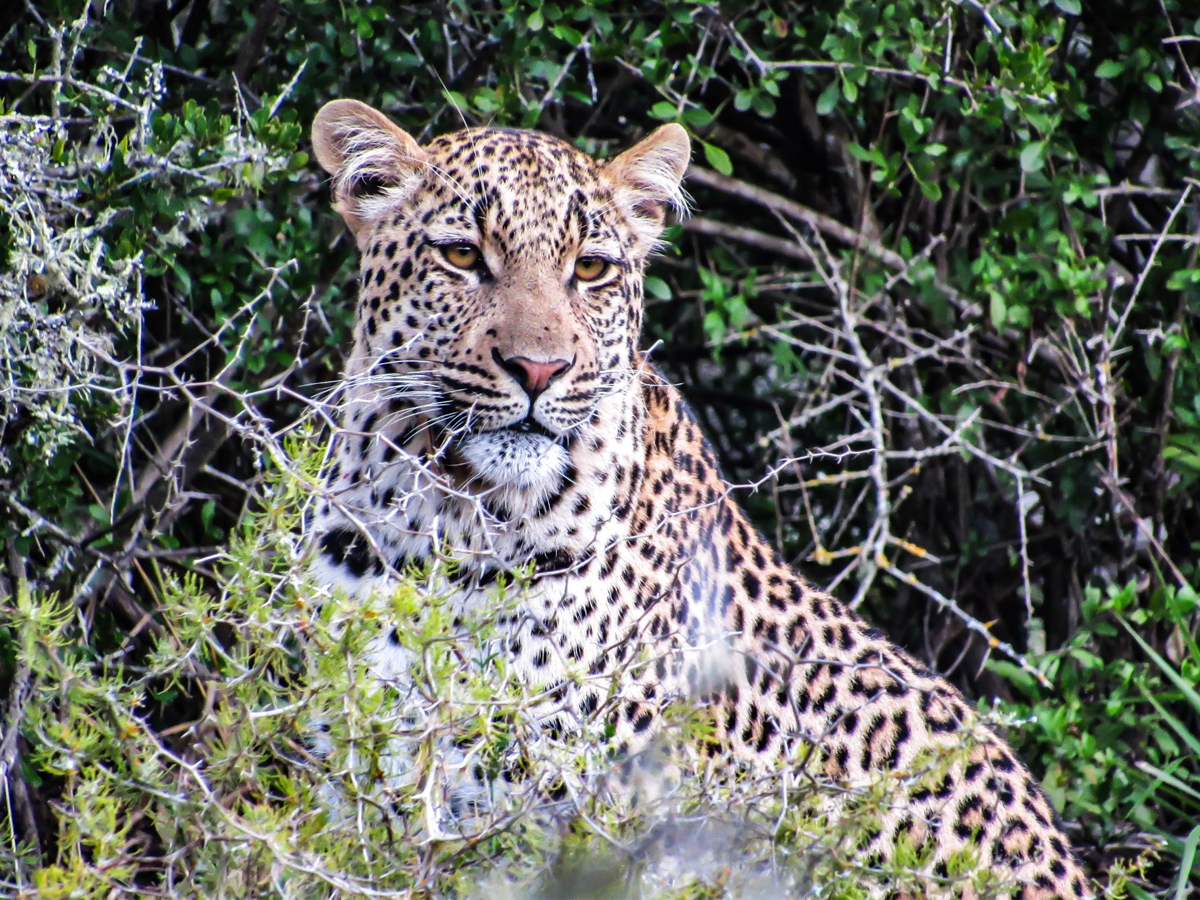 Leopard
Q: What made you choose the “Majestic South Africa” itinerary for this particular journey? – A: The itinerary stuck out because I liked the balance. I wanted to see the culture and history of the cities, but I also wanted the ‘real’ Africa experience where the wildlife is in their natural environment. Moving from a modern city one day to a dramatic mountain range or the bush the next kept the pace interesting.
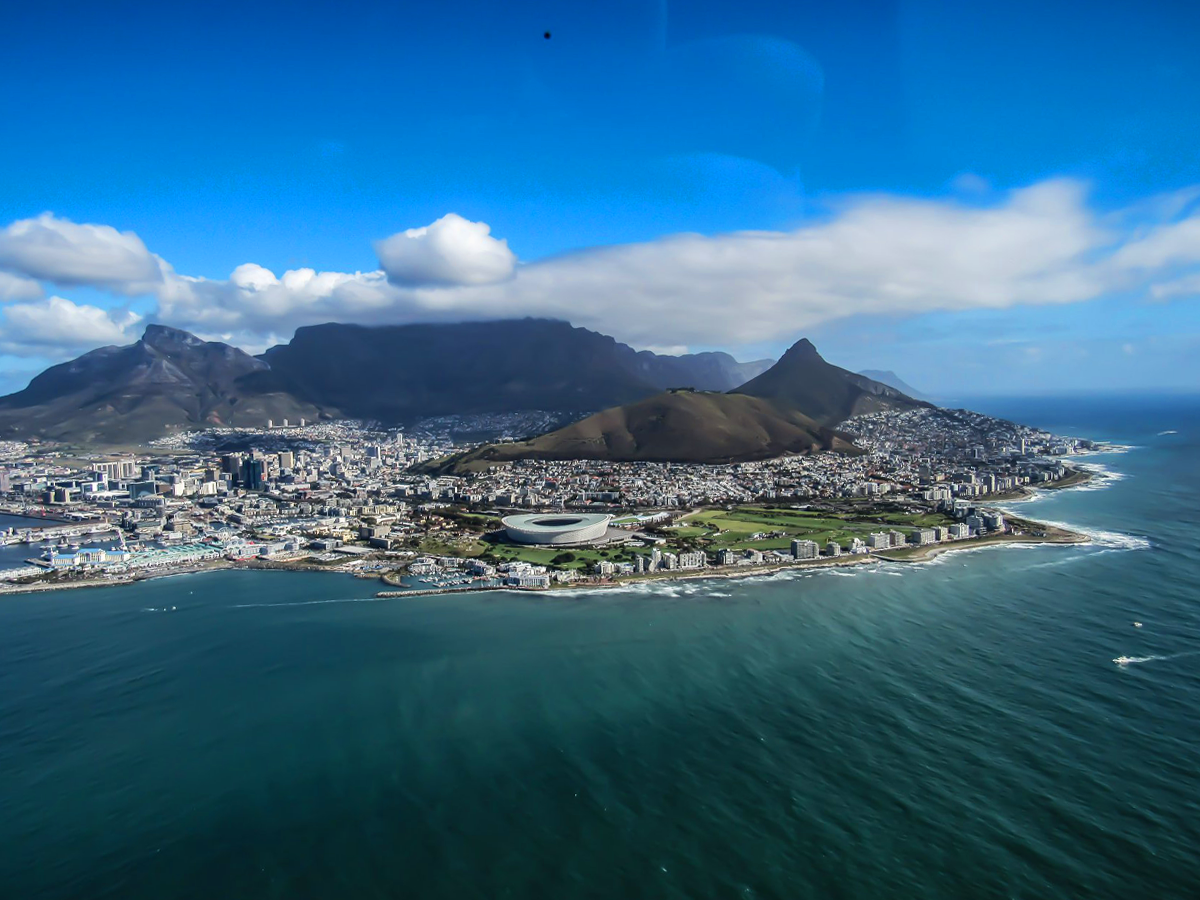 Cape Town, South Africa
Q: Where exactly did the tour start and end, and which cities did you visit in between? – A: The trip started with a three-night stay at the Victoria & Alfred Hotel in Cape Town’s waterfront district. After the city, I caught a quick 90-minute flight over to Port Elizabeth, followed by a comfortable drive up to Shamwari Game Reserve. I spent three nights there, then another three nights in the Kruger National Park area, eventually finishing the tour in Johannesburg. It was a lot of ground to cover, but the transfers between the cities and the bush were pretty seamless and were included in the tour.
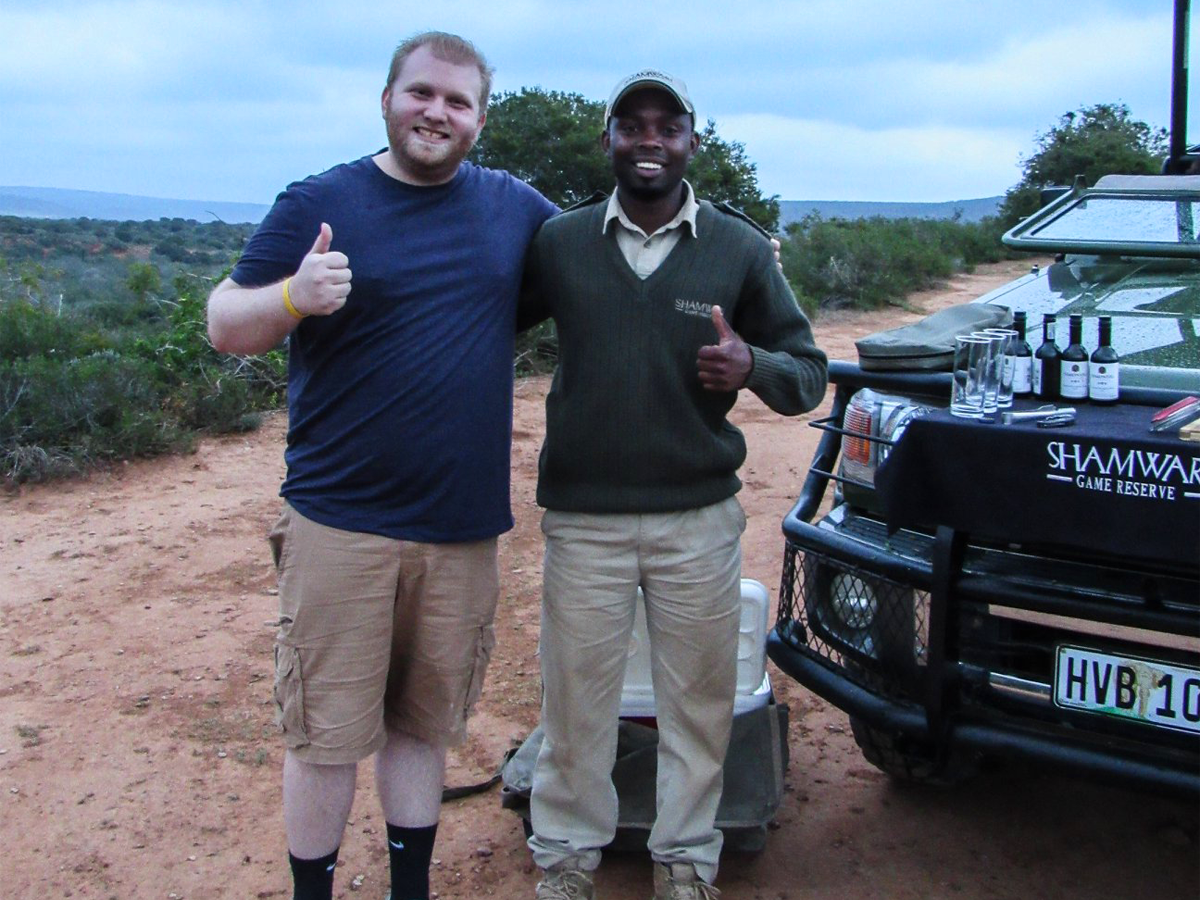 Our Boscov’s Travel Advisor with his expert Safari Guide
Q: What was all included in the tour? – A: The tour included all the domestic flights within Africa, land transfers, and the bulk of the meals and excursions. You get expert-led safaris twice a day, and have the same guide for your entire stay at the reserve which really adds to the experience. For the most part, once you’ve covered your international airfare, you’re just looking at gratuities and a few meals on your own.
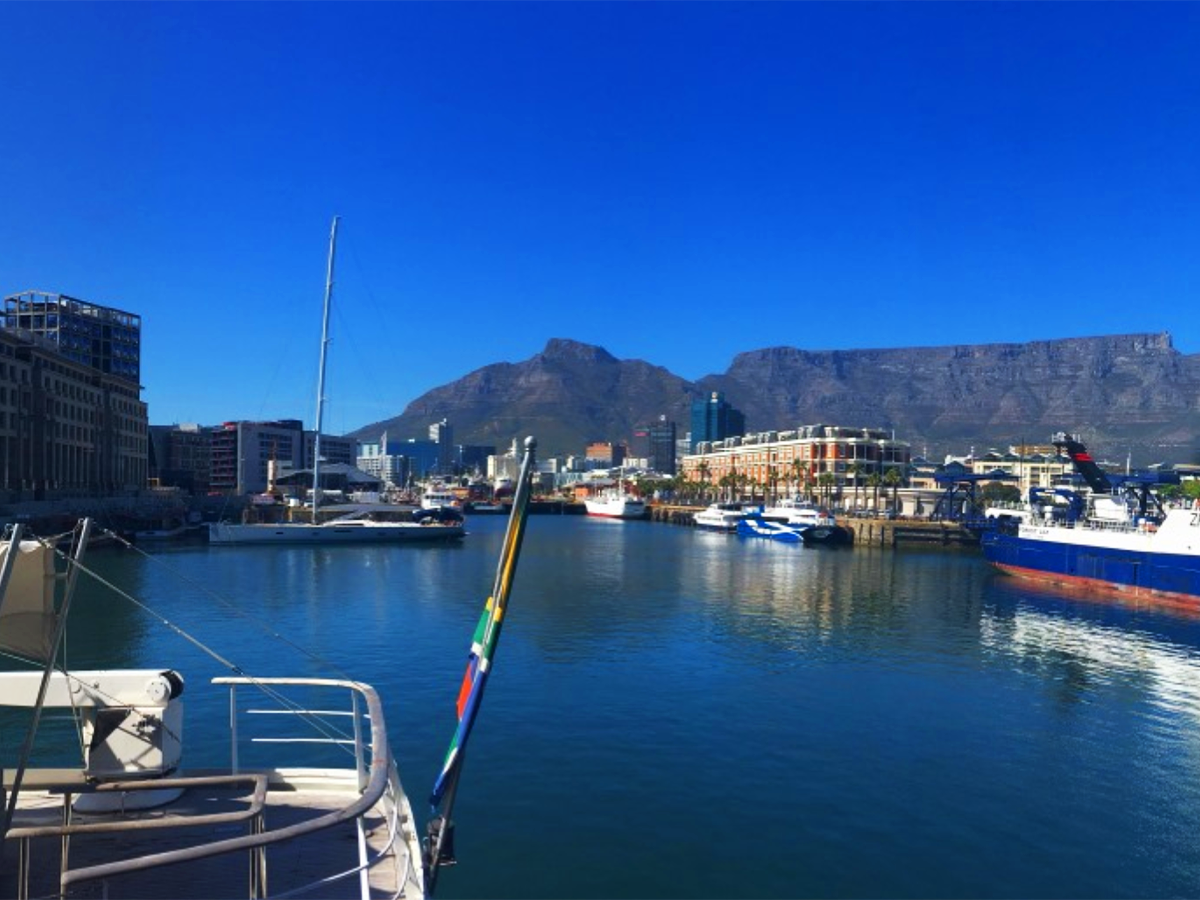 Cape Town waterfront
Q: This tour covers a lot of ground—how was the pace? – A: Even though we covered a lot of ground, the pace was surprisingly relaxed. It’s a good blend of guided tours and free time. In Cape Town, I had plenty of room in the schedule to just wander the waterfront and hit the shops for some souvenirs. The only part that really picks up the pace is the safari, but that’s by design. They want you out there as much as possible to give you the best shot at spotting the Big Five, so those days are definitely more active.
Q: South Africa’s seasons are opposite to ours in the Northern Hemisphere. How did the weather impact your packing and experience? – A: Knowing the weather for each stop is huge. I traveled in October, which is their spring, and the big takeaway is: pack layers. Cape Town has a Mediterranean climate, so even on a nice 75°F day, the temperature drops into the 50s or 60s as soon as the sun goes down. Once you head inland toward Kruger, it definitely heats up. In the summer months, you’re looking at 90s during the day. Basically, if you’re going in their summer (Dec-Feb), prepare for the heat. If it’s winter (May-July), you’re going to want a jacket for those early morning game drives.
Q: What documents or currency did you find most essential to have ready throughout the trip? – A: One of the best things about South Africa is that U.S. travelers don’t need a visa, so all I needed was my passport and my travel documents. For money, they use the South African Rand (ZAR). The exchange rate is usually very favorable for us. It was roughly $1 to 18 ZAR during my trip, which makes everything from meals to souvenirs feel like a bargain. I used a mix of local currency and U.S. dollars. While I’d definitely recommend having some ZAR on you for smaller things, many guides actually appreciated being tipped in USD. Having both on hand is the way to go.
Q: Did you find it necessary to learn any specific phrases, or was English widely spoken? – A: English is spoken pretty much everywhere you go. South Africa actually has 12 official languages, and you’ll definitely hear Afrikaans in the cities or tribal languages like Zulu and Xhosa in the more rural areas. It’s a unique mix, but since English is the main language for business and tourism, communication was never an issue. It’s always good to learn a few local greetings, but you’re fine sticking to English.
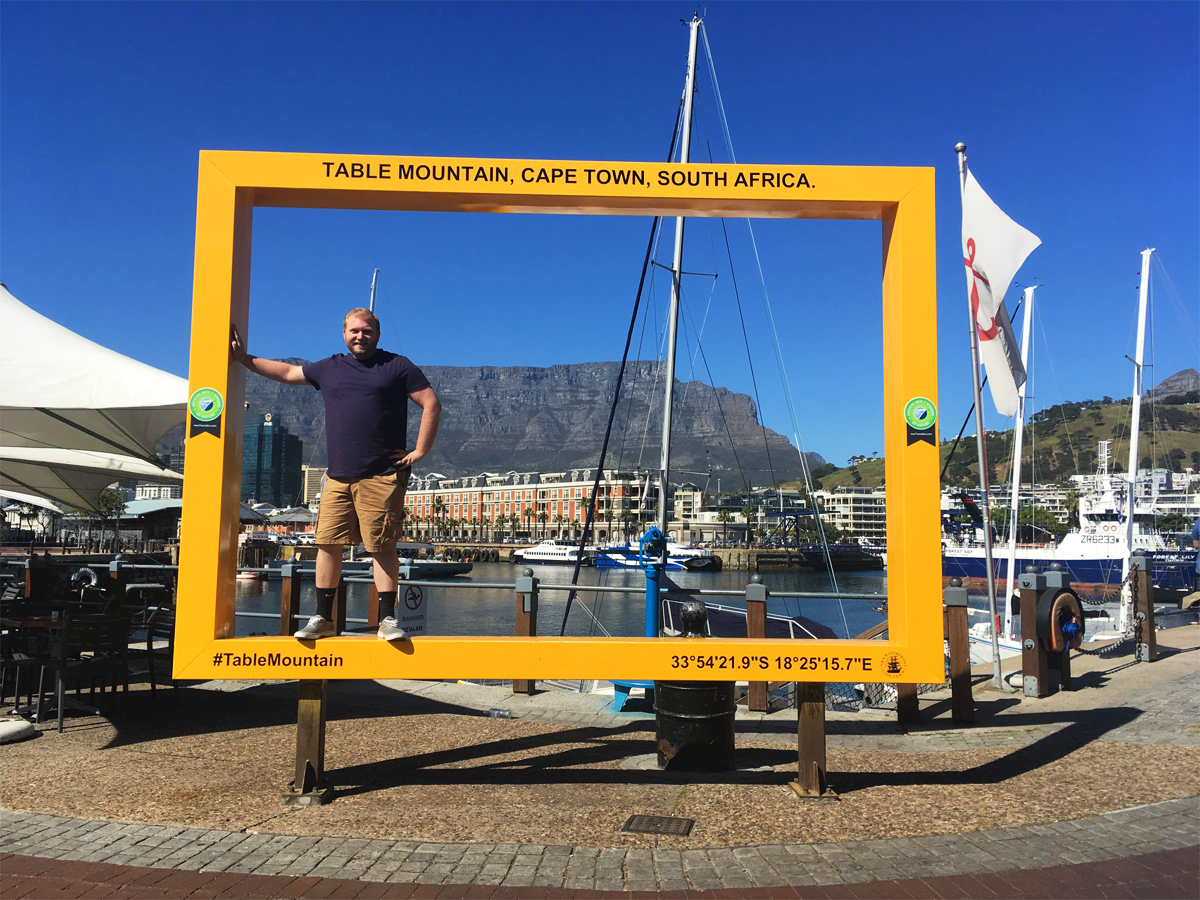 Table Mountain
Q: The tour starts in Cape Town, often called one of the most beautiful cities in the world. Did it live up to the hype? – A: Absolutely. Cape Town is easily one of the most impressive cities I’ve been to. It’s hard to beat the setup there, with Table Mountain sitting right behind the city and the coastline stretching all the way down to the Cape of Good Hope. It’s a rugged, good-looking city that actually delivers on what you see in the photos.
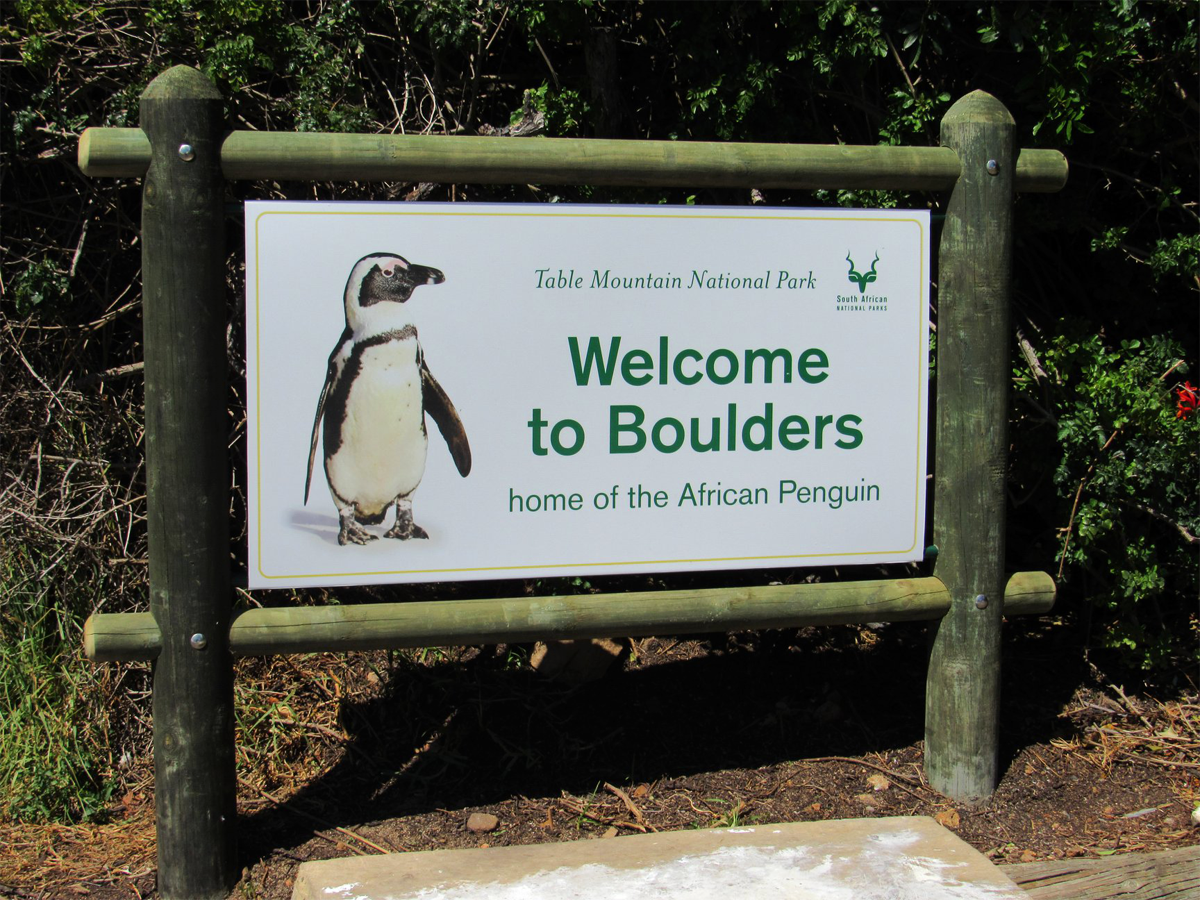 Boulders Beach Sign
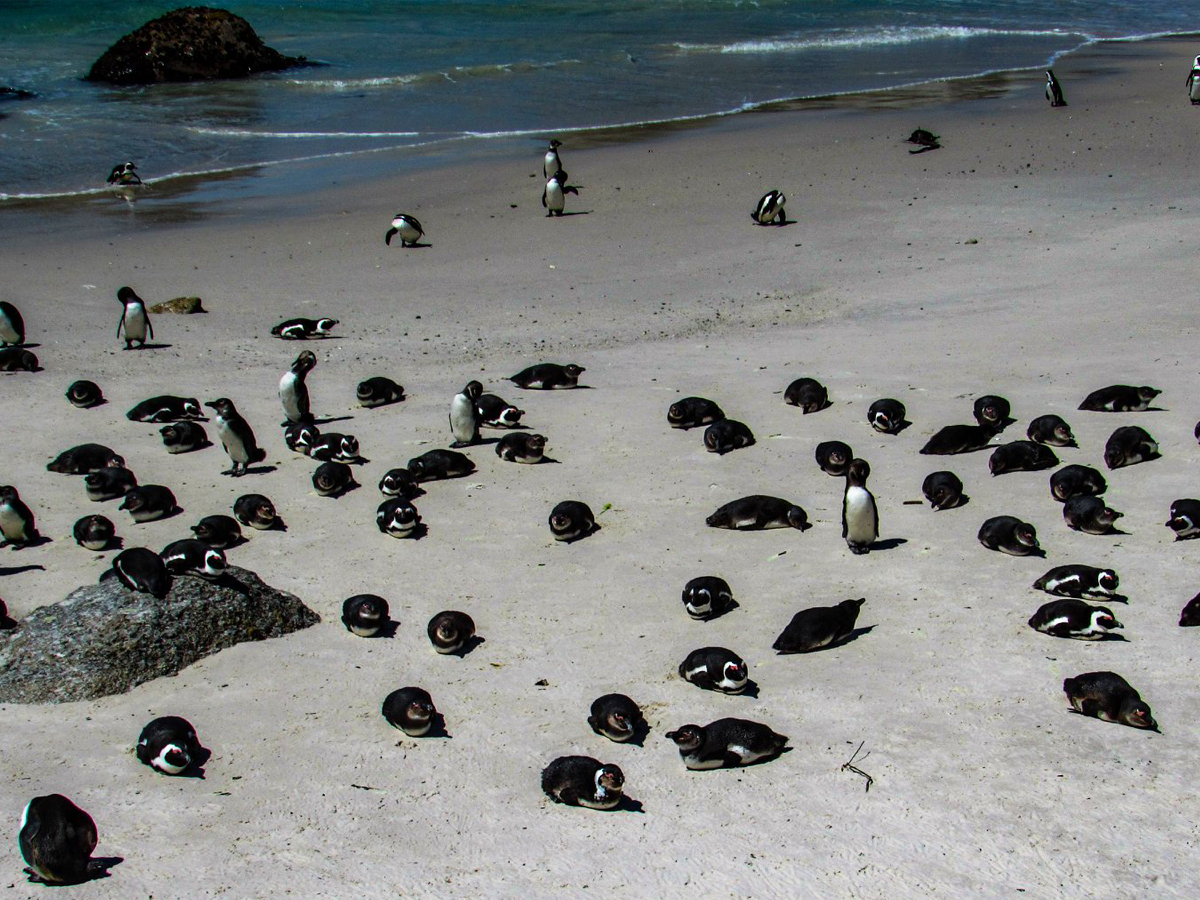 Boulders Beach African Penguins
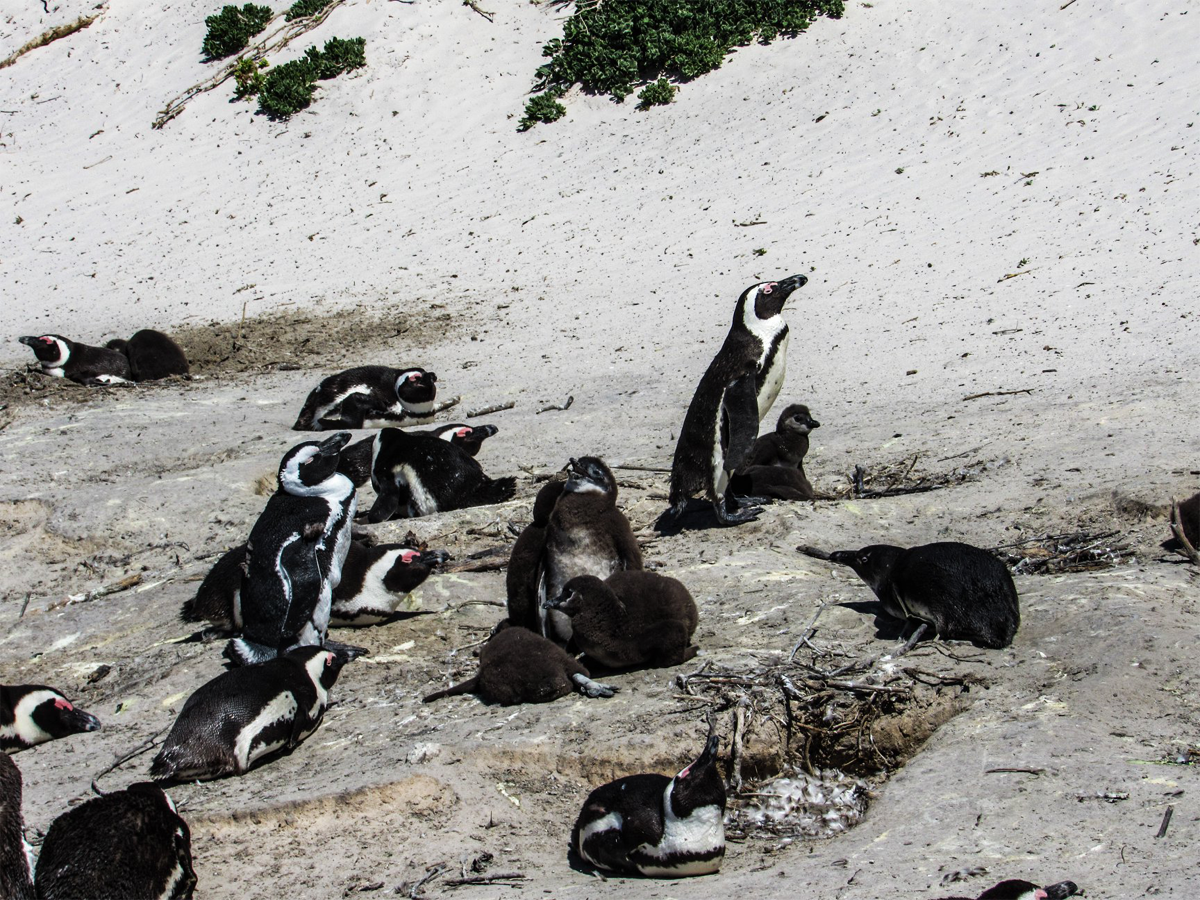 Boulders Beach African Penguins
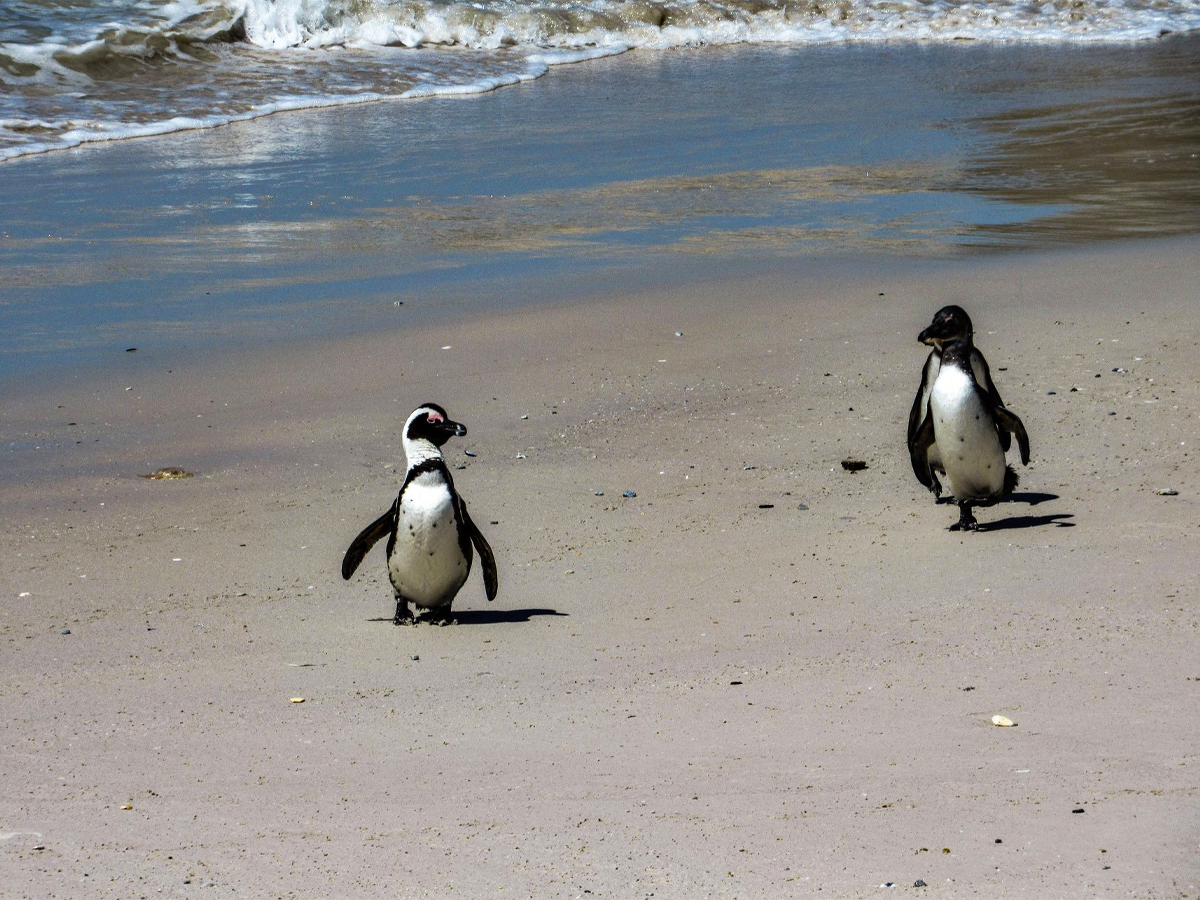 Boulders Beach African Penguins
Q: Between the penguins at Boulders Beach and the views from Table Mountain, which “postcard moment” was your favorite? – A: While Table Mountain was beautiful, I have a soft spot for the African penguins at Boulders Beach. It’s not every day you get to visit a real-life colony with hundreds of native penguins just hanging out. Watching them waddle down to the water and bask on the rocks was pretty surreal. You cannot touch or hold them, but they’ll come right up to you, so you definitely want to have your camera ready.
Q: After the cosmopolitan charm of Cape Town, how did it feel to transition into the wild heart of the Game Reserve? – A: It was an exciting transition. Cape Town has so much going on that it’s incredible to think that’s only the beginning of the trip. Pulling into the safari camp was incredible. It looks exactly like you’d expect from what you see on TV, but seeing it in person is a completely different experience. It’s one of those moments where you realize you’re finally in the middle of it all.
Q: Part of this itinerary involves hopping on smaller “bush planes” to reach the lodges—what was that experience like? – A: Surprisingly, a lot of the airports serving the safari areas are big enough to handle mid-sized jets. I flew with South African Airways regional airline, Airlink, which uses anything from larger planes down to 20-seat turboprops. The best part was landing at the airport near Kruger. The terminal has these thatched roofs and dark wood walls that give you an immediate ‘Africa’ feel as soon as you step off the plane.
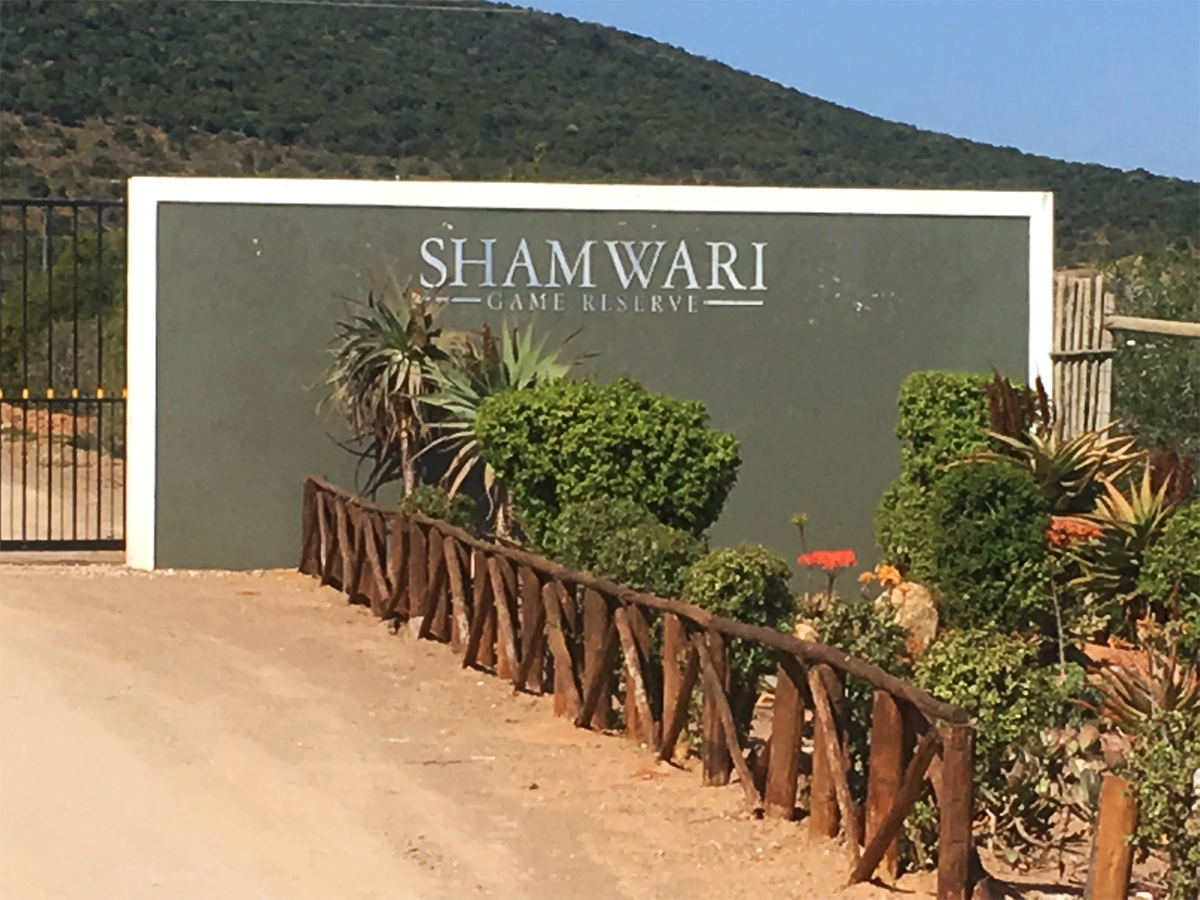 Shamwari Game Reserve
Q: Out of the four lodges you stayed at (Cape Town, Shamwari Game Reserve, Sabi Sand Private Game Reserve, and Johannesburg), which one was your favorite, and why? – A: Eagles Crag at Shamwari Game Reserve was by far my favorite. It perfectly balanced modern luxury with the feeling of being totally immersed in the wild. The lodge is tucked deep within the reserve, so you’d hear everything from lions roaring in the distance to eagles flying right past the overlook in your room. It was an incredible experience to be in such a comfortable spot while the bush was coming alive right outside the door.
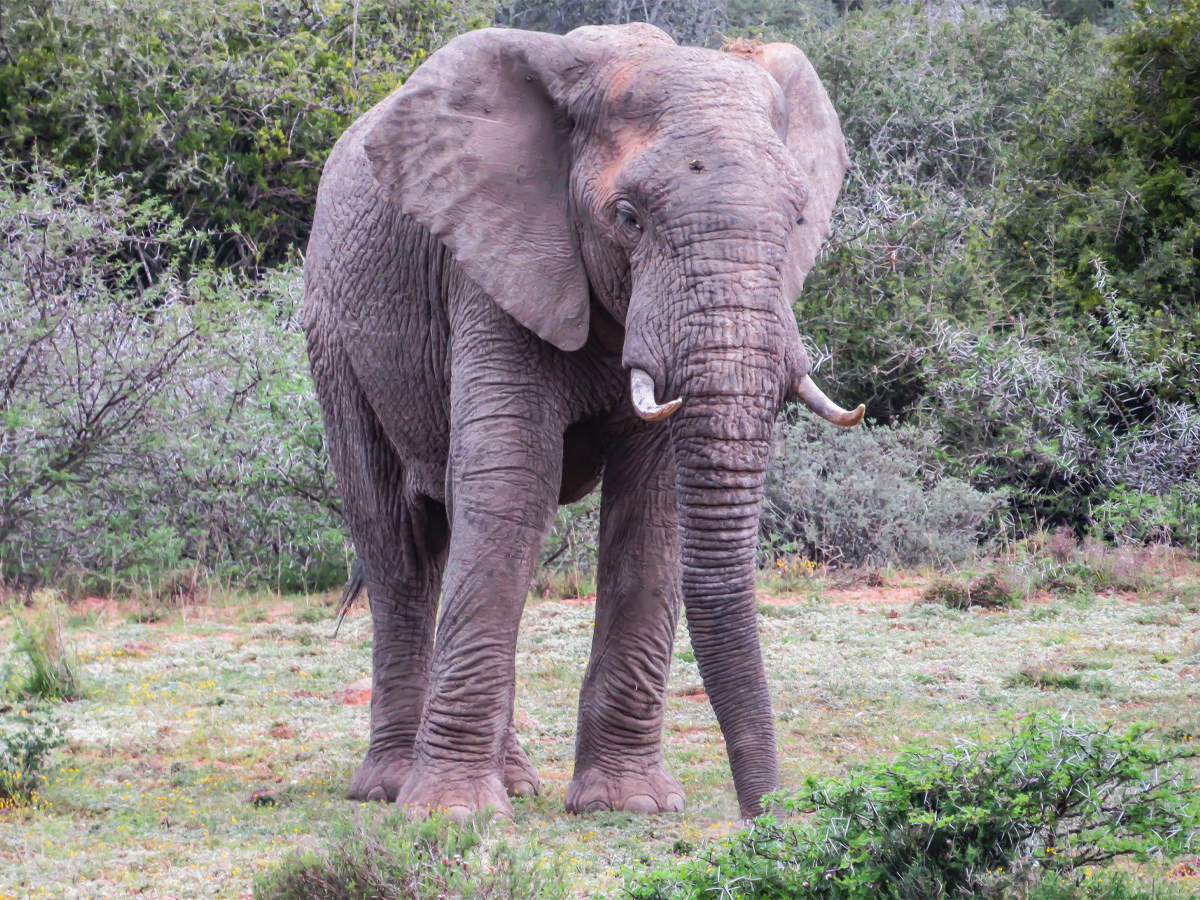 Elephant
Q: One of the biggest perks of these lodges is the location—what was it like waking up to the wildlife right outside your window? – A: No matter which reserve you’re at, you’re going to see incredible scenery and plenty of wildlife. There’s nothing quite like waking up to the sounds of lions or elephants right outside your room. Just keep in mind that most game drives start with a 5:00 AM wake-up call. It’s usually still dark when you’re getting ready, but being out there as the sun comes up makes the early start completely worth it.
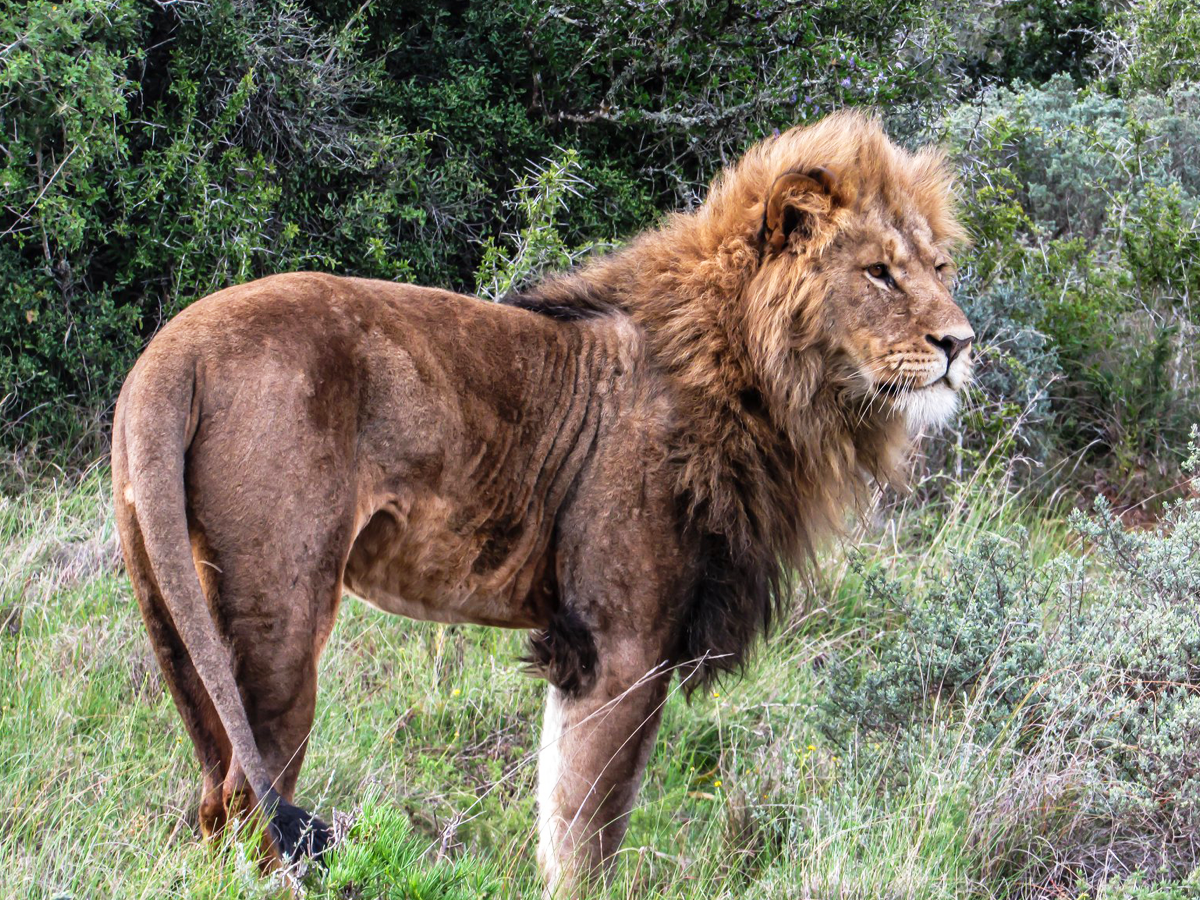 Lion
Lion
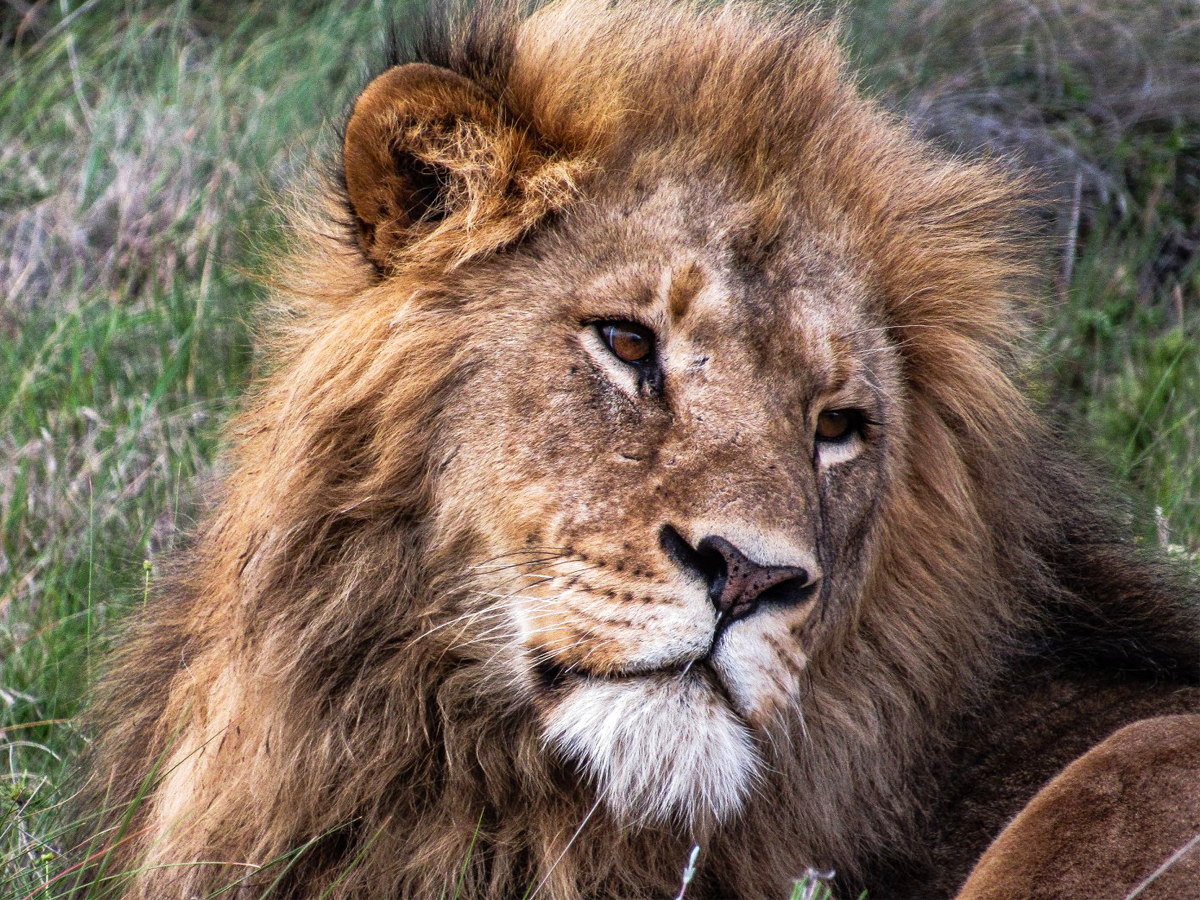 Lion
Lion
Q: We all want to see the “Big Five” (Lion, Leopard, Rhino, Elephant, and Buffalo). Which one was the most elusive or exciting to spot? – A: The lion was by far my favorite to spot. Every one we encountered was incredibly close to us. There was one moment that was just surreal because it was so quiet that you could actually hear the wind. We were close enough that you could see the lion’s mane blowing in the breeze. It’s one thing to see them on TV, but being a few feet away from them is a completely different feeling.
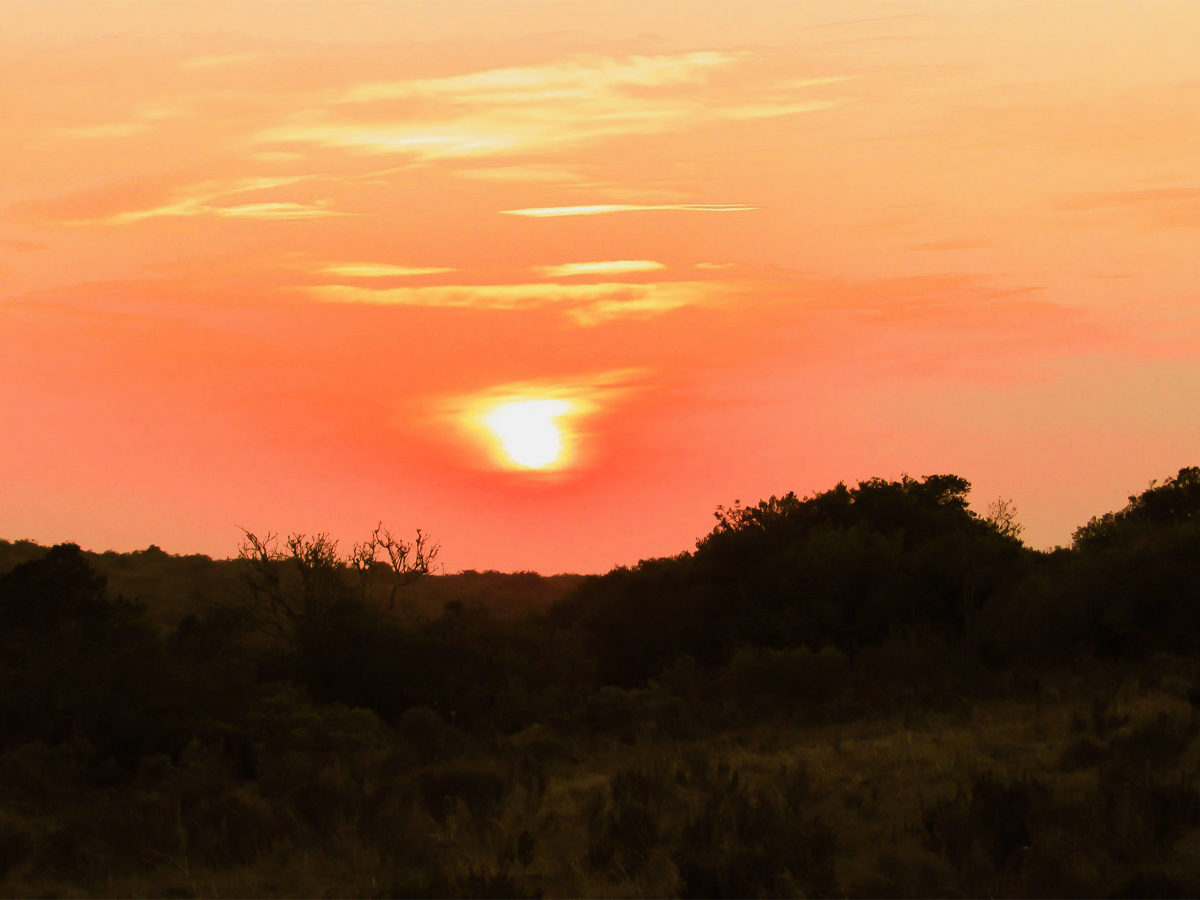 The “Sundowner”
Q: The “Sundowner” is a classic safari tradition. Can you describe the feeling of watching the sunset over the savanna? – A: If the weather cooperates, the African sunset is incredible. When the sun hits the horizon, it lights up the whole sky in this deep orange-red and silhouettes all the trees in the distance. It’s a really peaceful way to end the day, just sitting there taking in the view and listening to the bush quiet down. It’s easily one of the best parts of the whole safari experience.
Q: From the world-class restaurants in Cape Town to the fireside meals on the safari, how would you describe the culinary journey on this tour? What was your favorite meal? – A: Between Cape Town and the safari, I got to try a lot of flavors I’d never had before. Everywhere we went had plenty of options, so you don’t have to worry if you’re a picky eater, but I’d definitely recommend trying the local food. It’s unique, and you may not get another chance to try it elsewhere. Two of the standouts for me were the impala and springbok. When they’re grilled on the barbecue, they’re actually delicious.
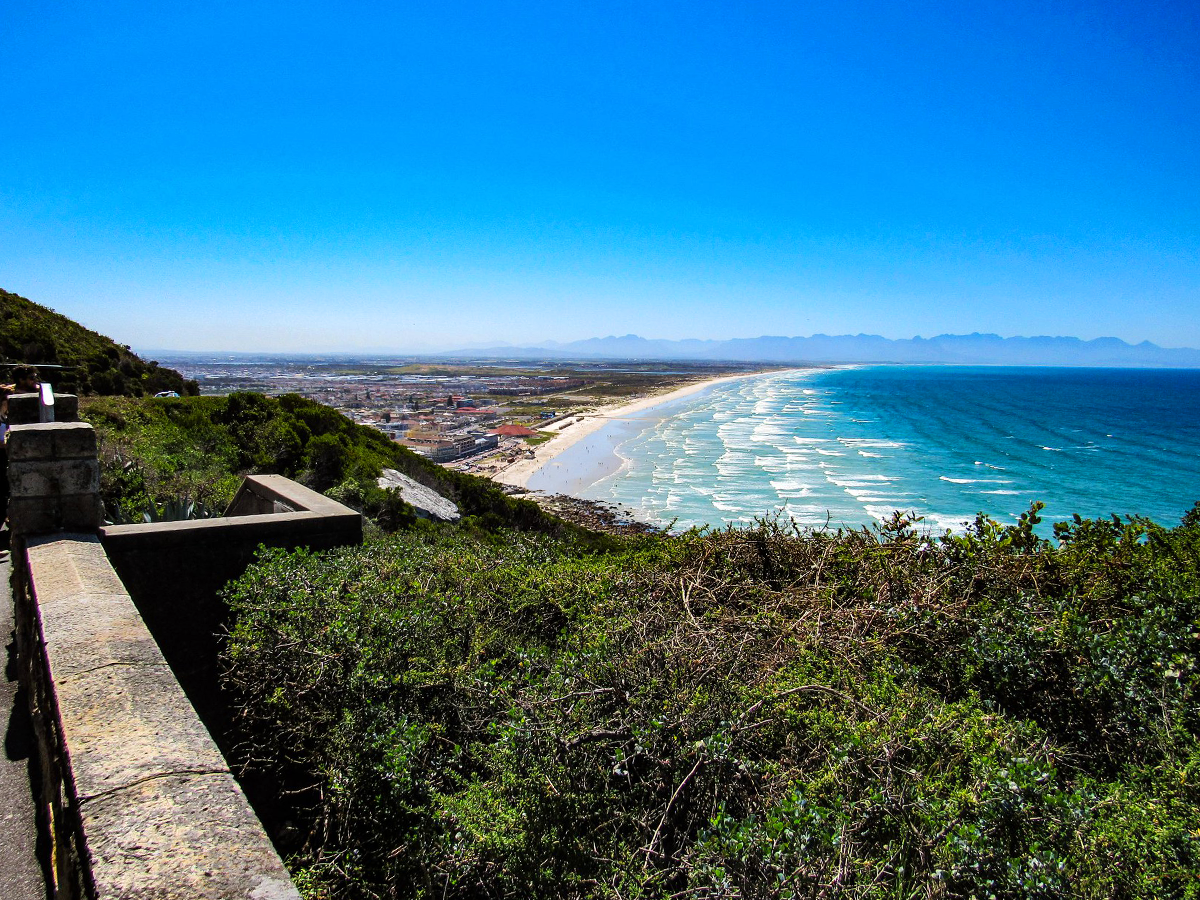 Cape Peninsula
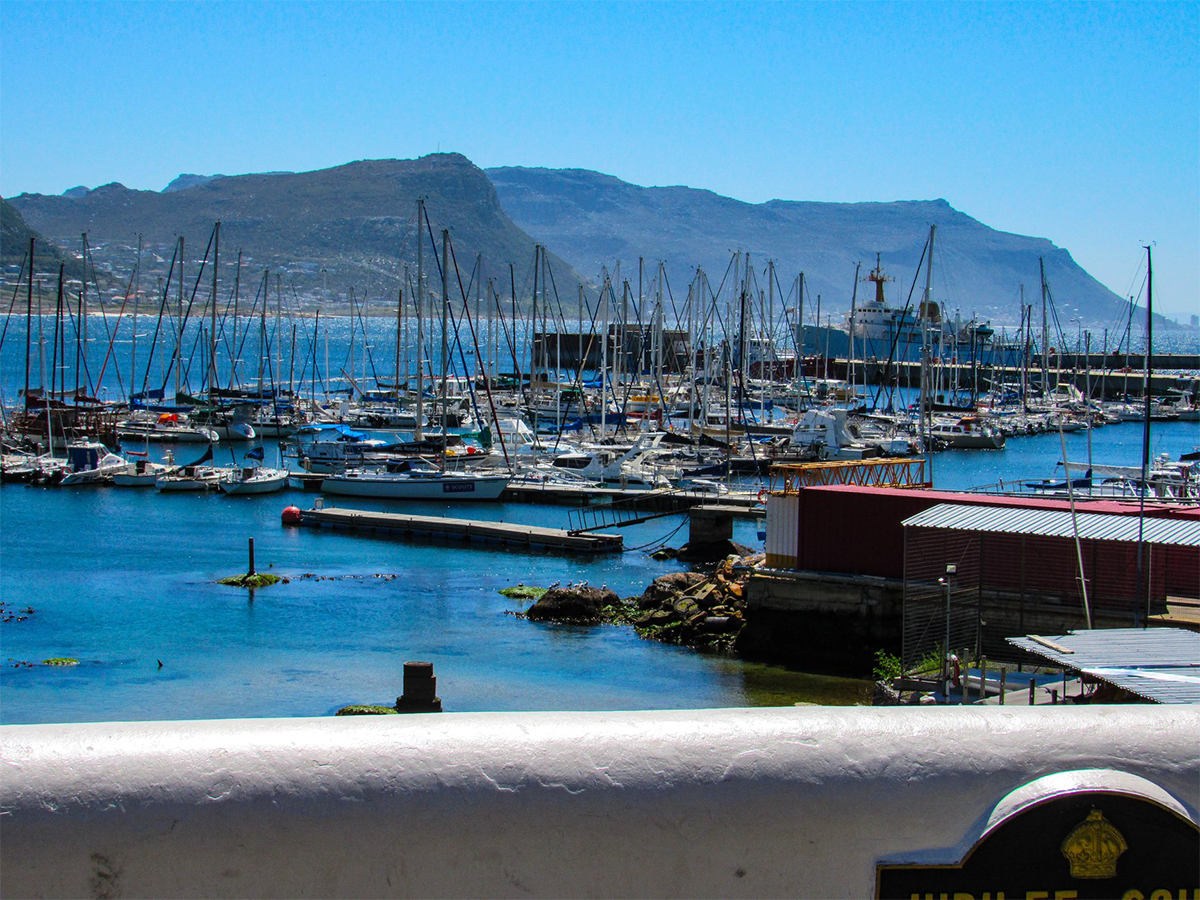 Simon’s Town, Cape Peninsula
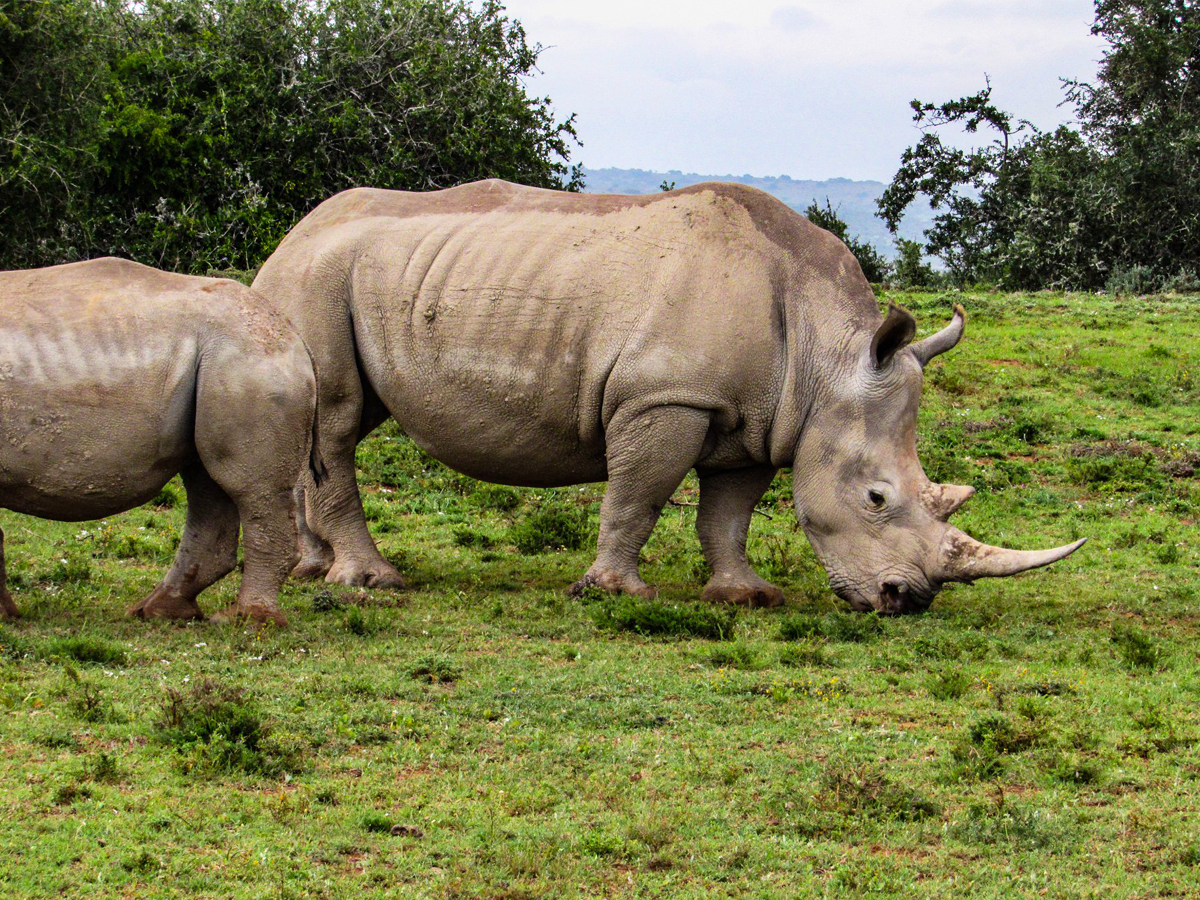 Rhinos
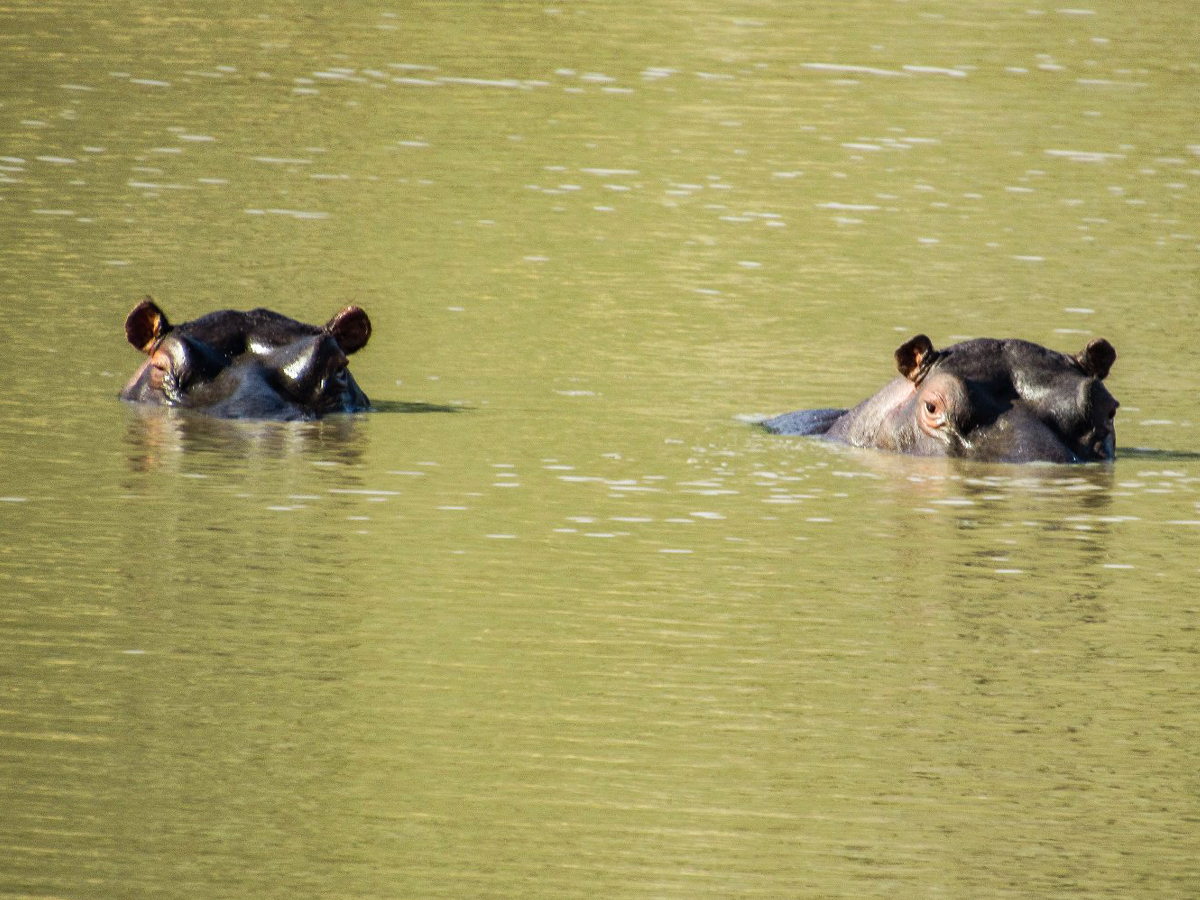 Hippos
Q: If you had to pick one “Signature Moment” from the entire trip that you’ll never forget, what would it be? – A: It’s a toss-up between the Cape Peninsula tour and the Shamwari Game Reserve. Both of them gave me that ‘awe’ moment where it really hit me that I was in Africa. Whether it was the coastal views or being out in the middle of the reserve, those were the parts of the trip that I’ll never forget.
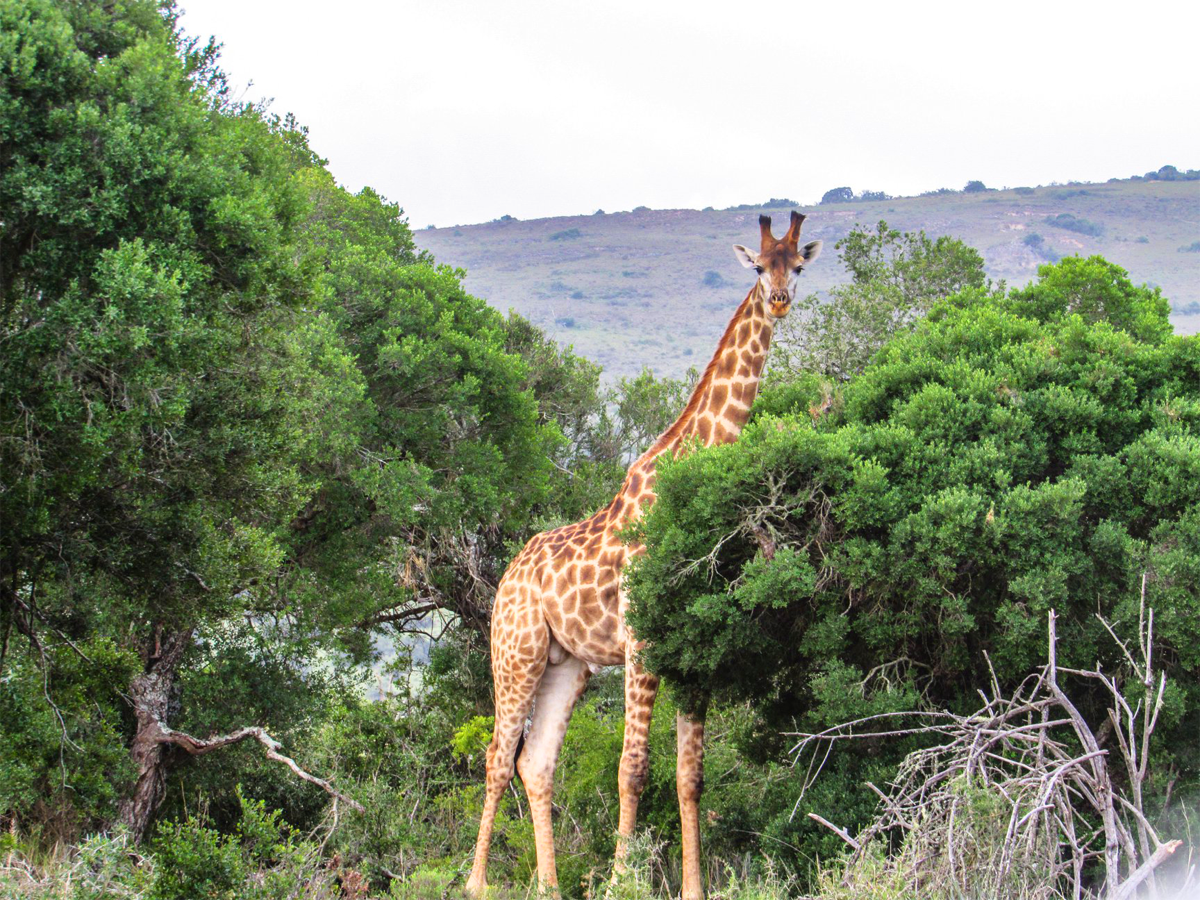 Giraffe
Q: For someone who has never been to the continent, why is this specific tour a perfect “first-timers” introduction to Africa? – A: This tour hits all the ‘must-sees’ in South Africa at a more relaxed pace, so you actually get to enjoy each spot without feeling rushed. It’s also a great first-timer destination because the health risks are relatively low compared to other parts of the continent. It’s also incredibly accessible for a first-timer—it’s one of the easier regions of the continent to visit in terms of travel requirements and health prep. Most of the areas we visited are very low-risk, making the whole experience feel much more like a standard vacation than a rugged expedition. It’s a very smooth, comfortable way to see Africa for the first time.
Q: A common concern is the long journey to get there. Now that you’ve done it, what would you say to a client who is worried about the travel time? – A: Don’t let the travel time intimidate you—it’s actually very manageable once you see the options. If you prefer the most direct route, there are nonstop flights out of Newark or D.C. that get you there in about 16 or 17 hours, which is a great way to just settle in and wake up in Africa. Or, you can break the trip up like I did, connecting through Addis Ababa on the way down to Cape Town and then took the nonstop home from Johannesburg. It’s a long flight, but the experience at the other end makes every hour worth it.
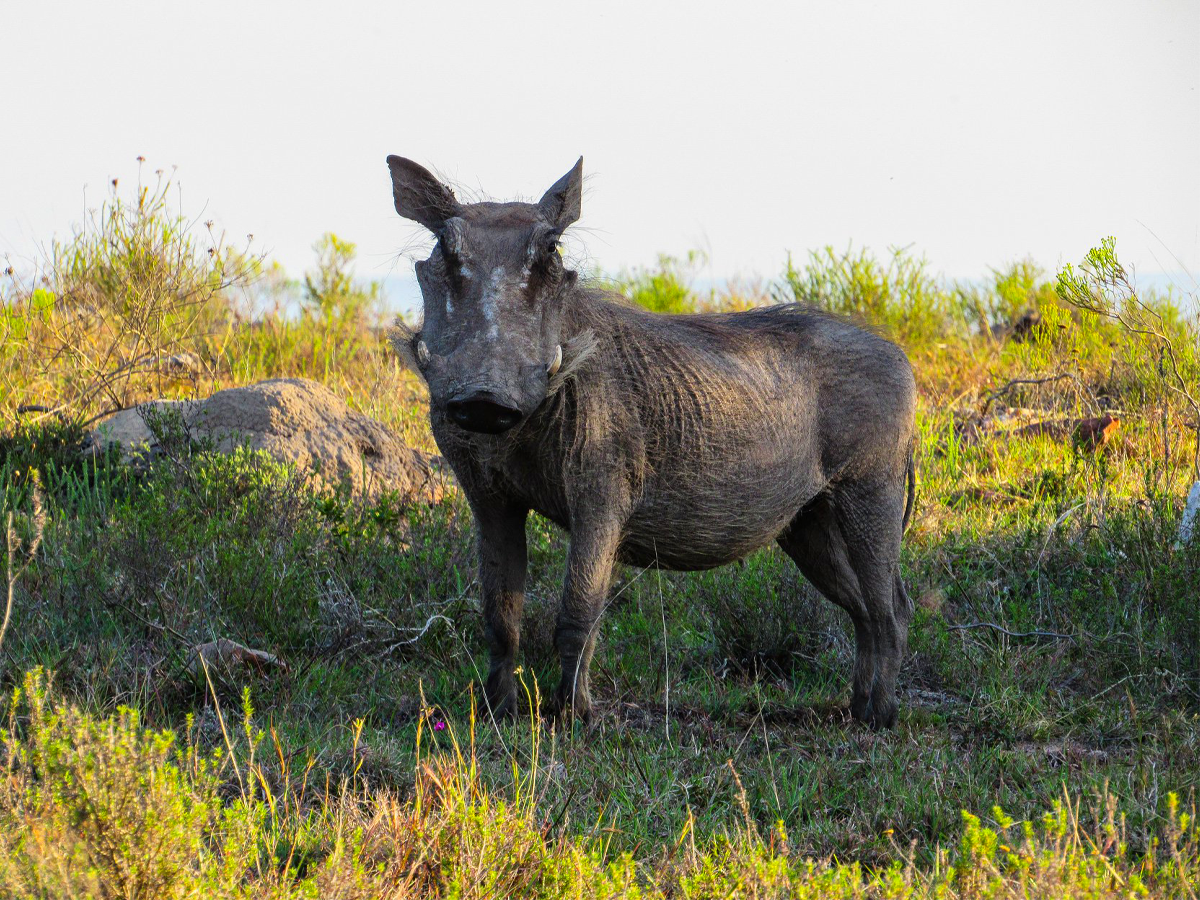 Warthog
Q: How does experiencing a land tour like this compare to a cruise or a standard resort vacation? – A: A land tour like this gives you so much more variety because you are seeing several completely different environments in one trip. Unlike a cruise or a big resort, you are not surrounded by crowds. Most safari groups are small, sometimes as few as 12 people, so the whole experience feels much more personal. It allows you to really immerse yourself in the destination.
Q: Is there anything else we did not discuss that you would like to mention? – A: One thing to keep in mind is how easy the entry process is for U.S. citizens. Since you do not need to worry about a tourist visa or extra paperwork before you fly, it really simplifies the planning process. It is just one more reason why South Africa is such a great choice for a smooth and stress-free international trip.
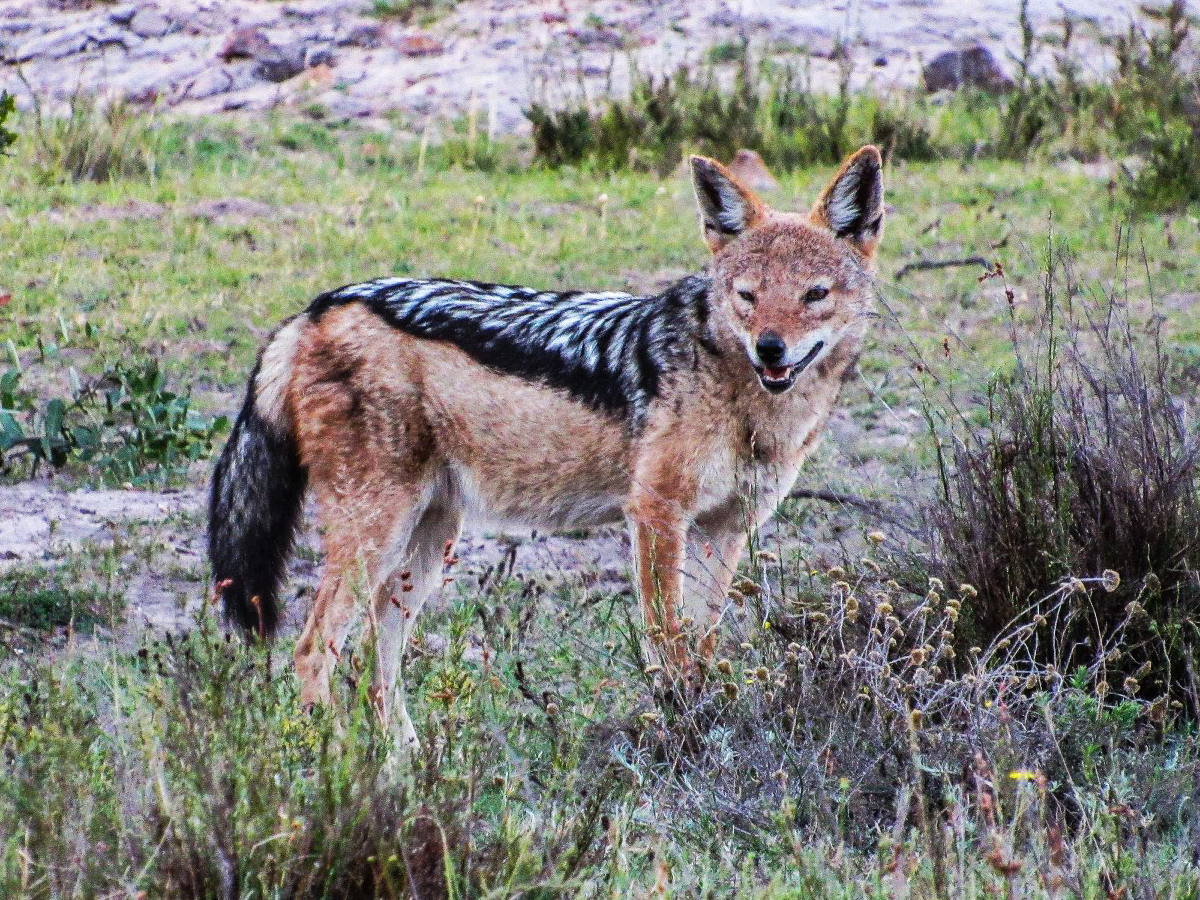 Black-backed Jackal
Q: Would you recommend this tour to other travelers? – A: Absolutely, and it is helpful to know that these vacations are very flexible. If you like a specific tour itinerary, it can often be customized to fit your preferences. Most tour operators offer both small group trips with a set schedule and private journeys that are tailored specifically for you. Having these options is great for travelers who have a specific budget in mind or a certain number of days they want to travel.
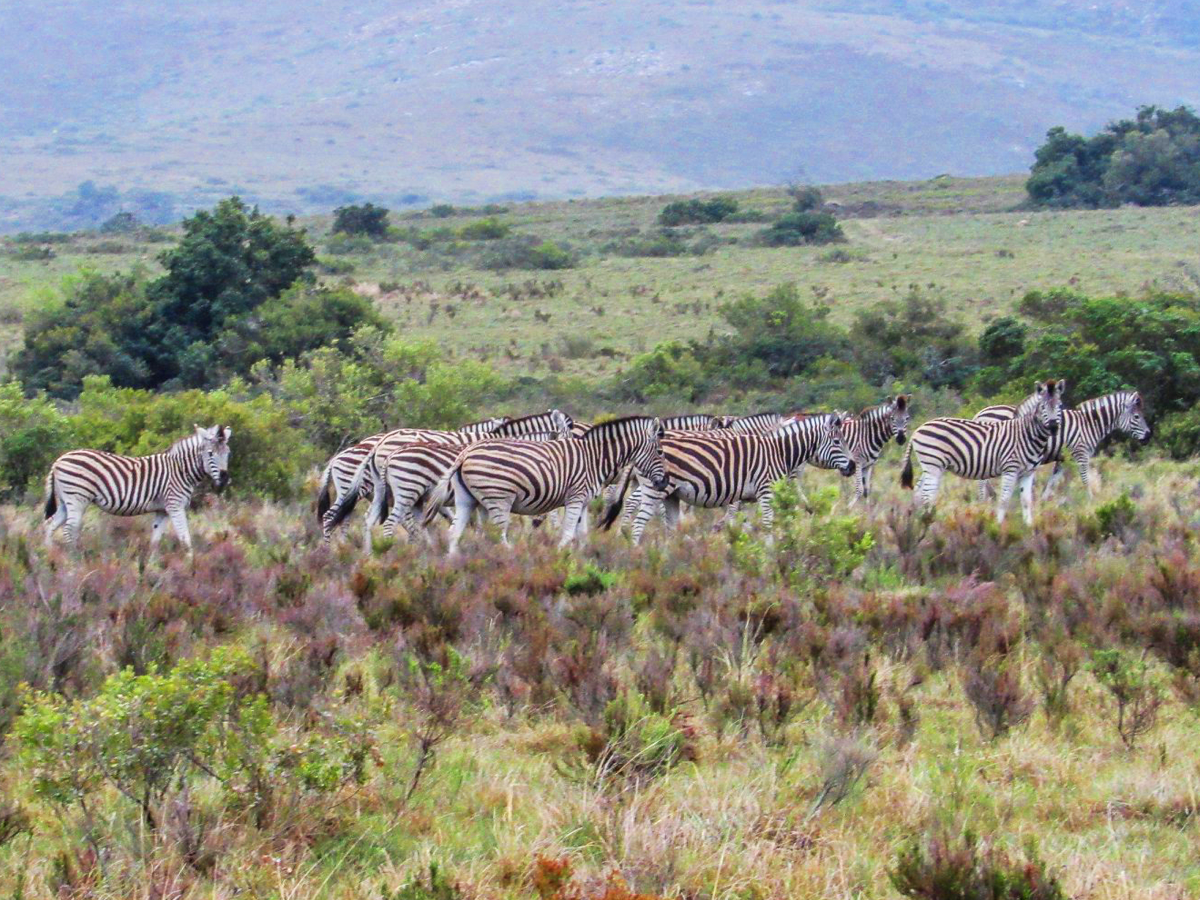 Zebras
Q: Would you visit Africa again? – A: Yes, for sure! Africa has so much variety that you can visit one area and then see a completely different landscape just by crossing into the next country. For my next trip, I would love to head to Botswana and visit Chobe National Park. There is truly always something new to discover in Africa.
Does this incredible experience inspire you to plan your own African adventure? Your local Boscov’s Travel Advisor is ready to assist you in planning whenever you’re ready! Contact your local Boscov’s Travel or call 800-755-8020 or visit https://www.boscovstravel.com/
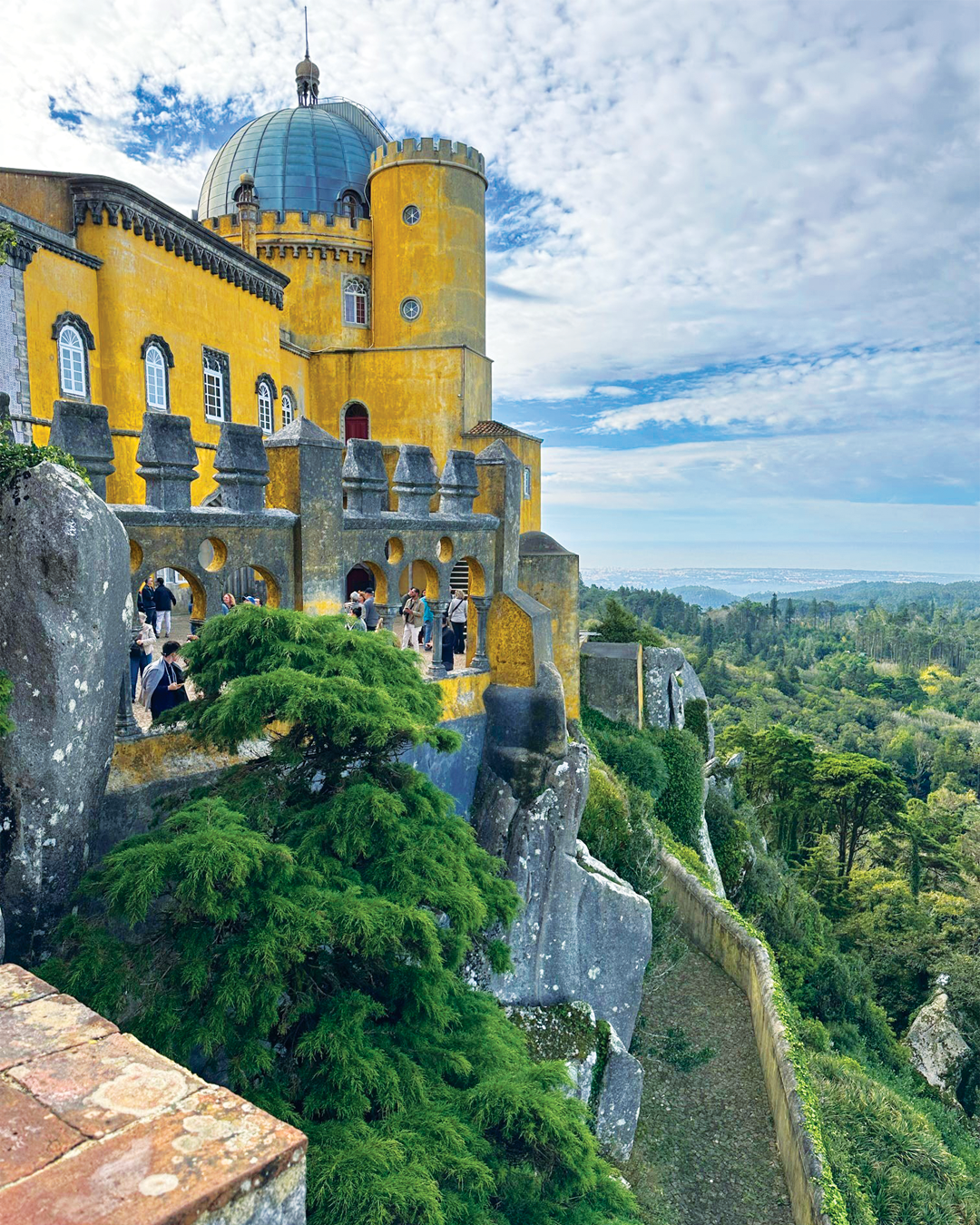 Pena Palace in Sintra, Portugal
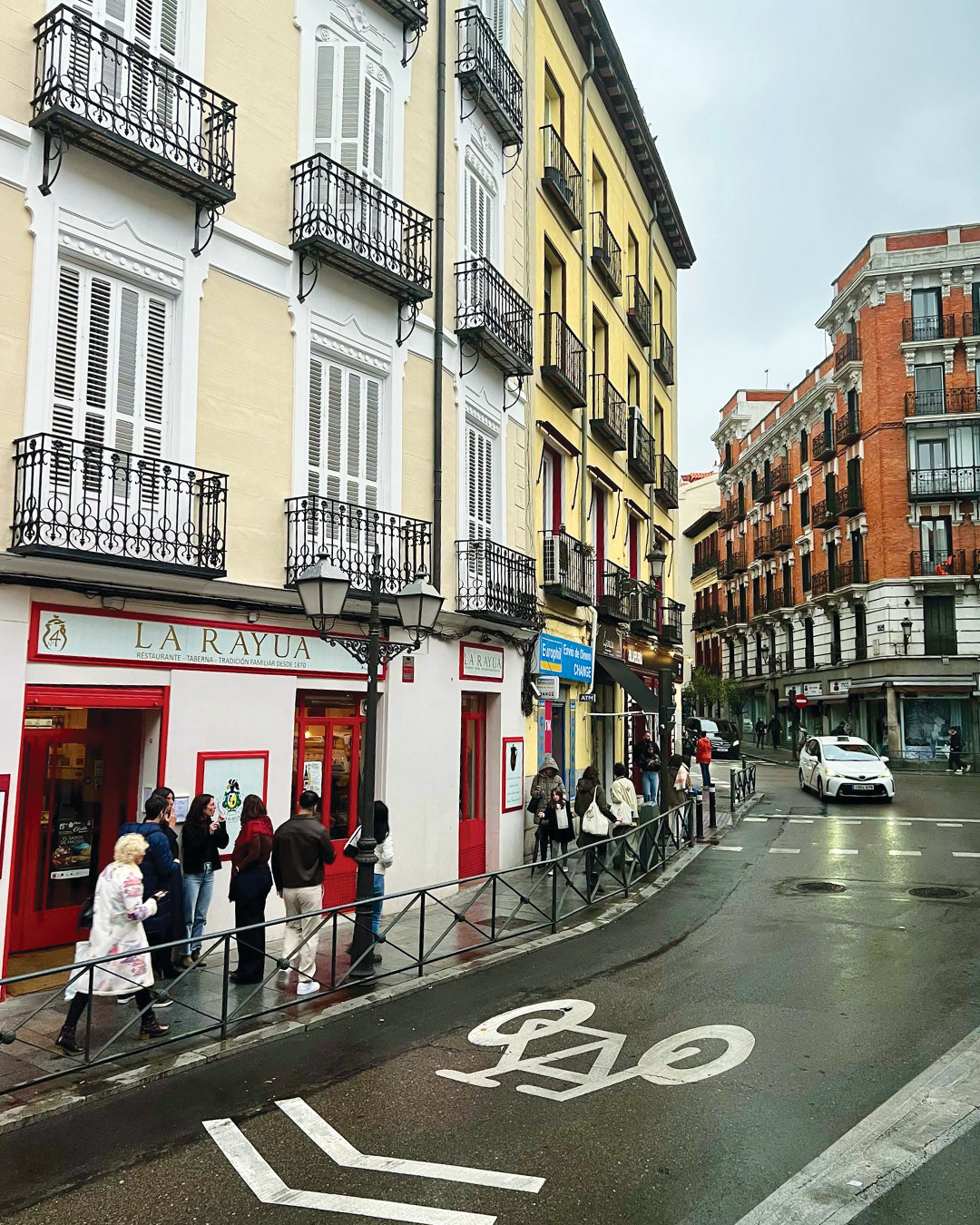 Street in Madrid, Spain
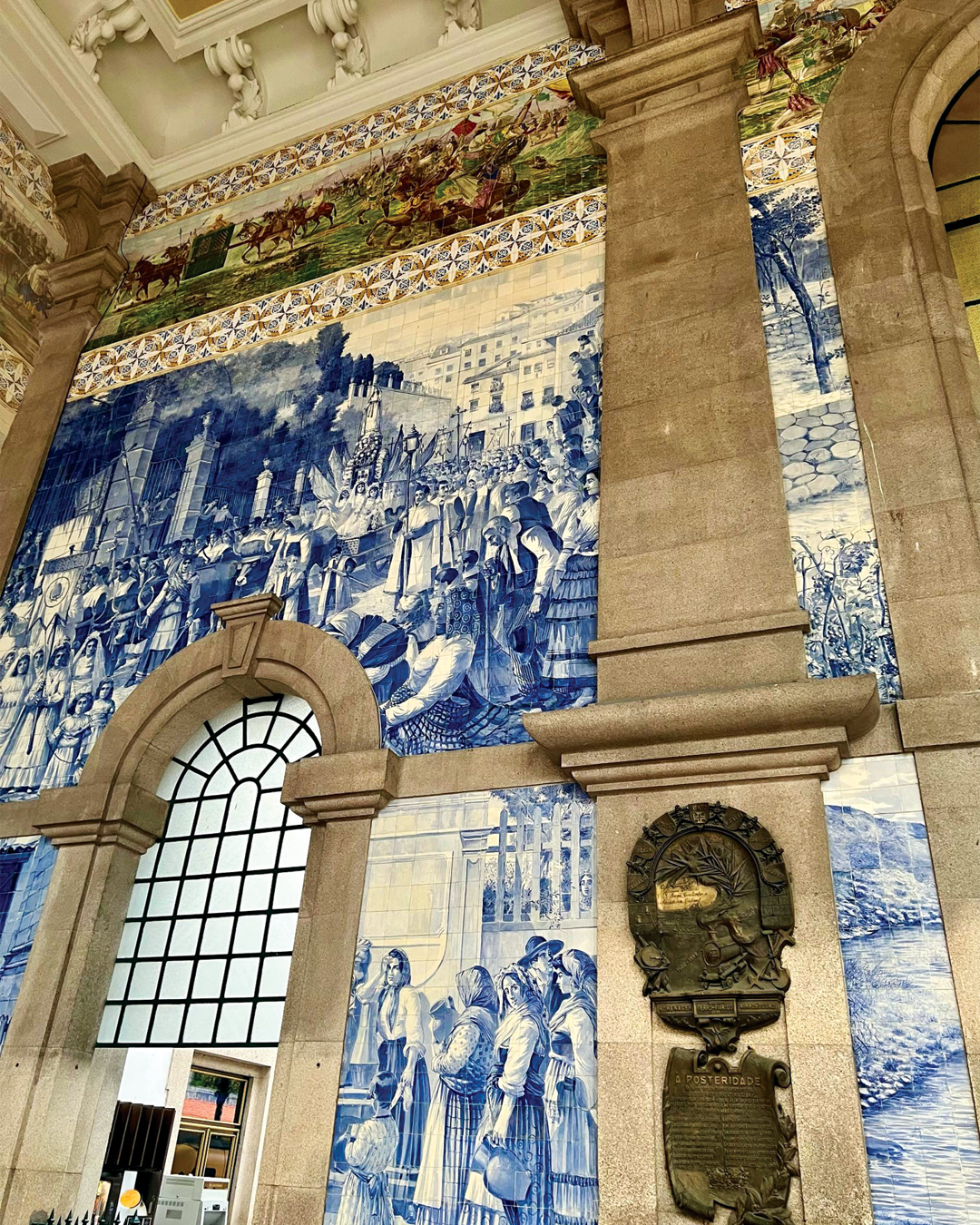 São Bento Railway Station Azulejo Murals in Porto, Portugal
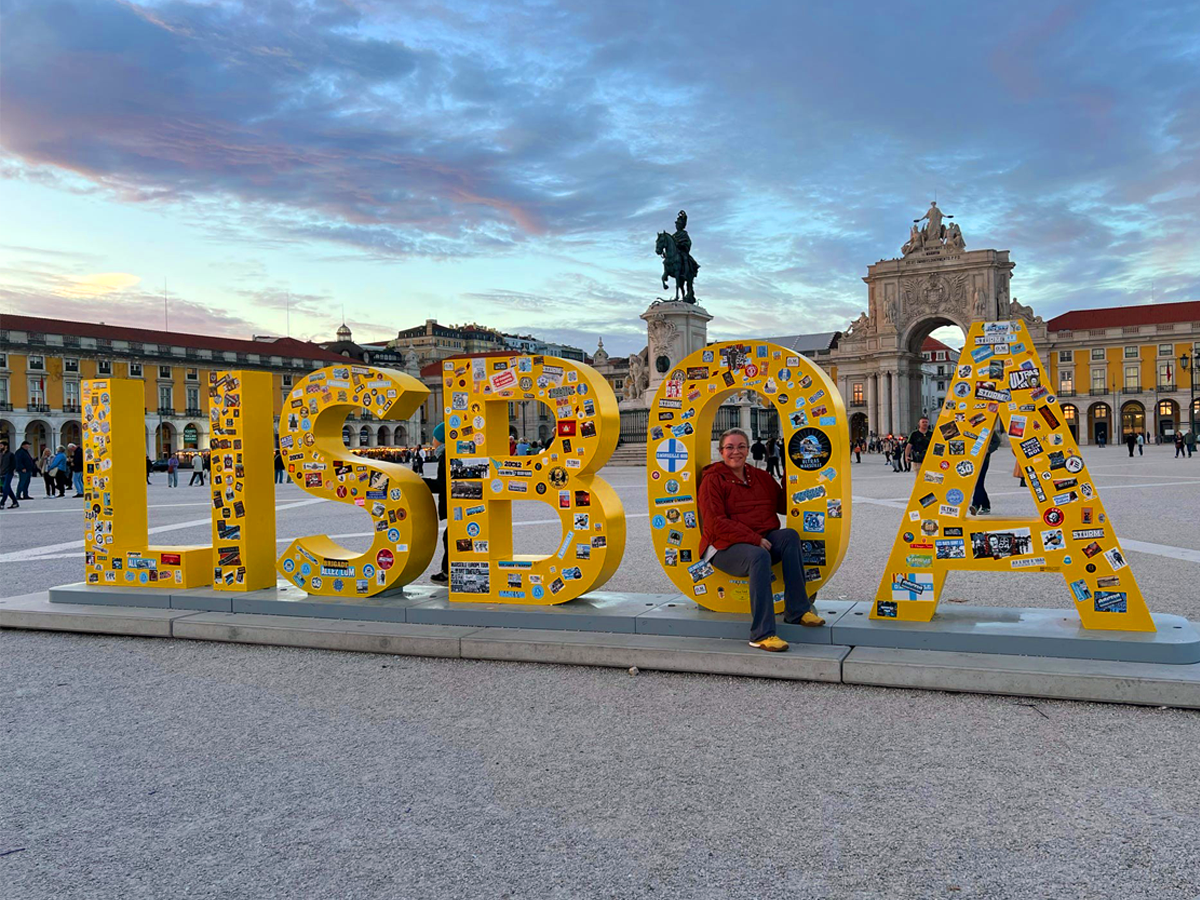
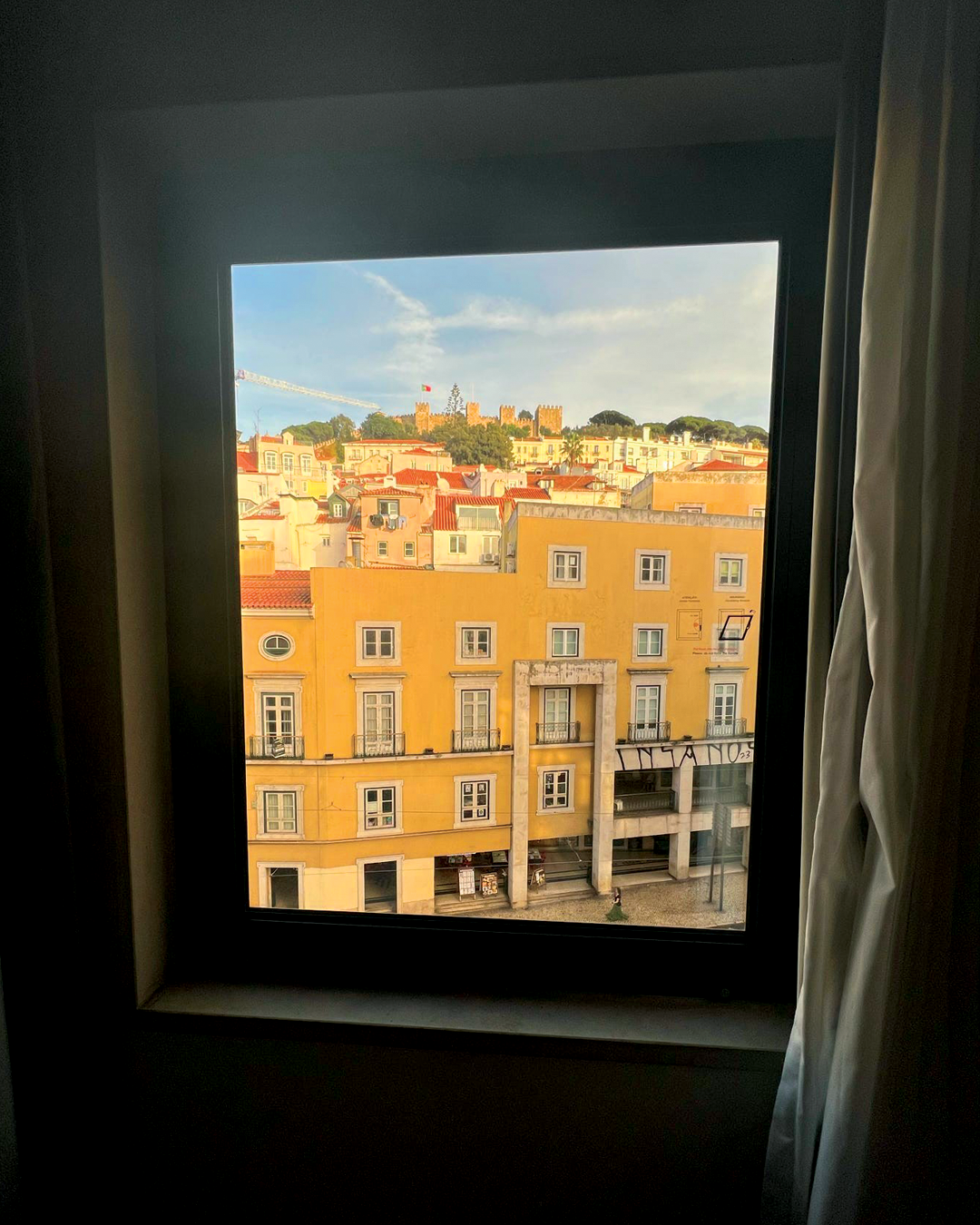 Hotel Room View in Lisbon, Portugal
 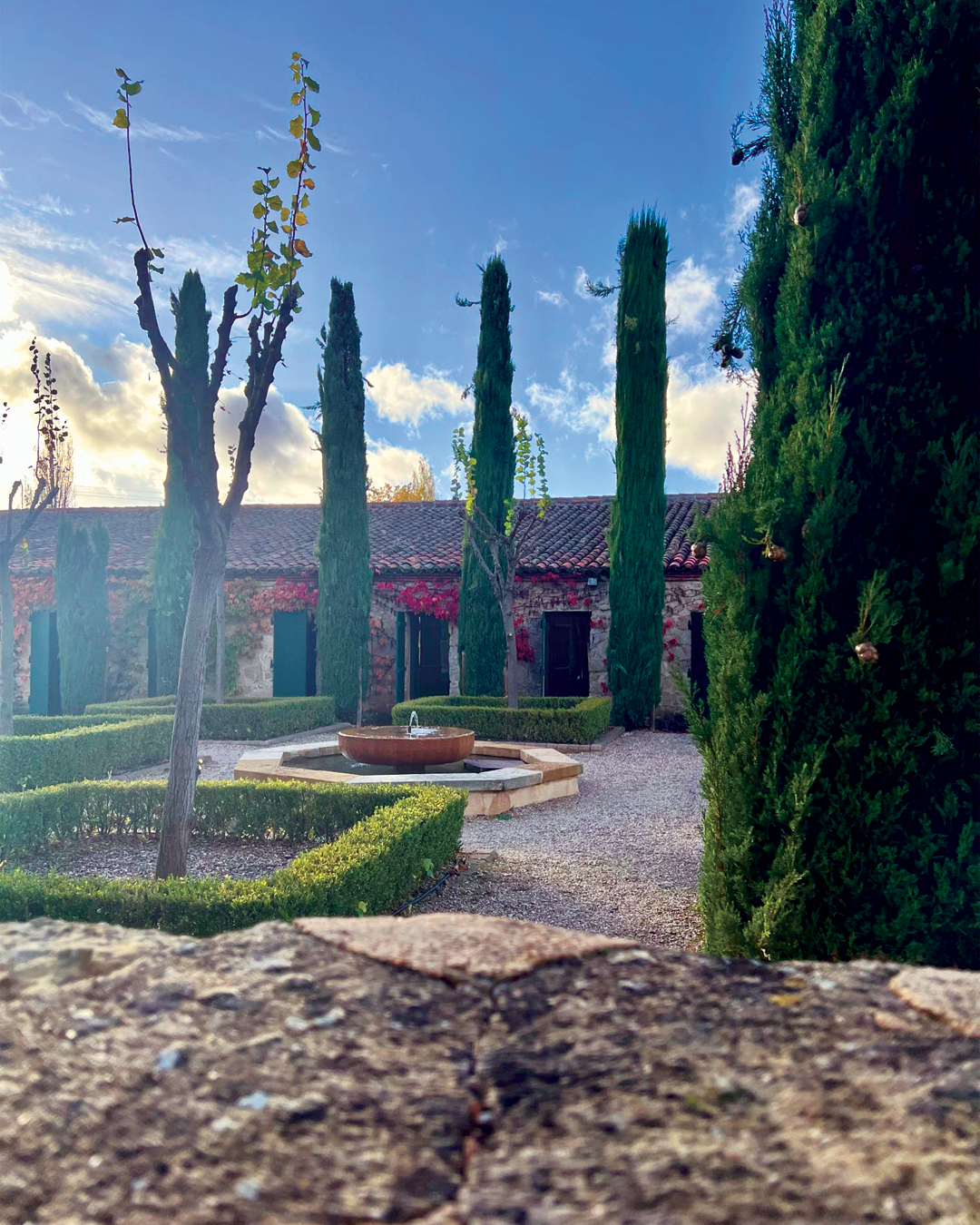 Hotel in Salamanca, Spain
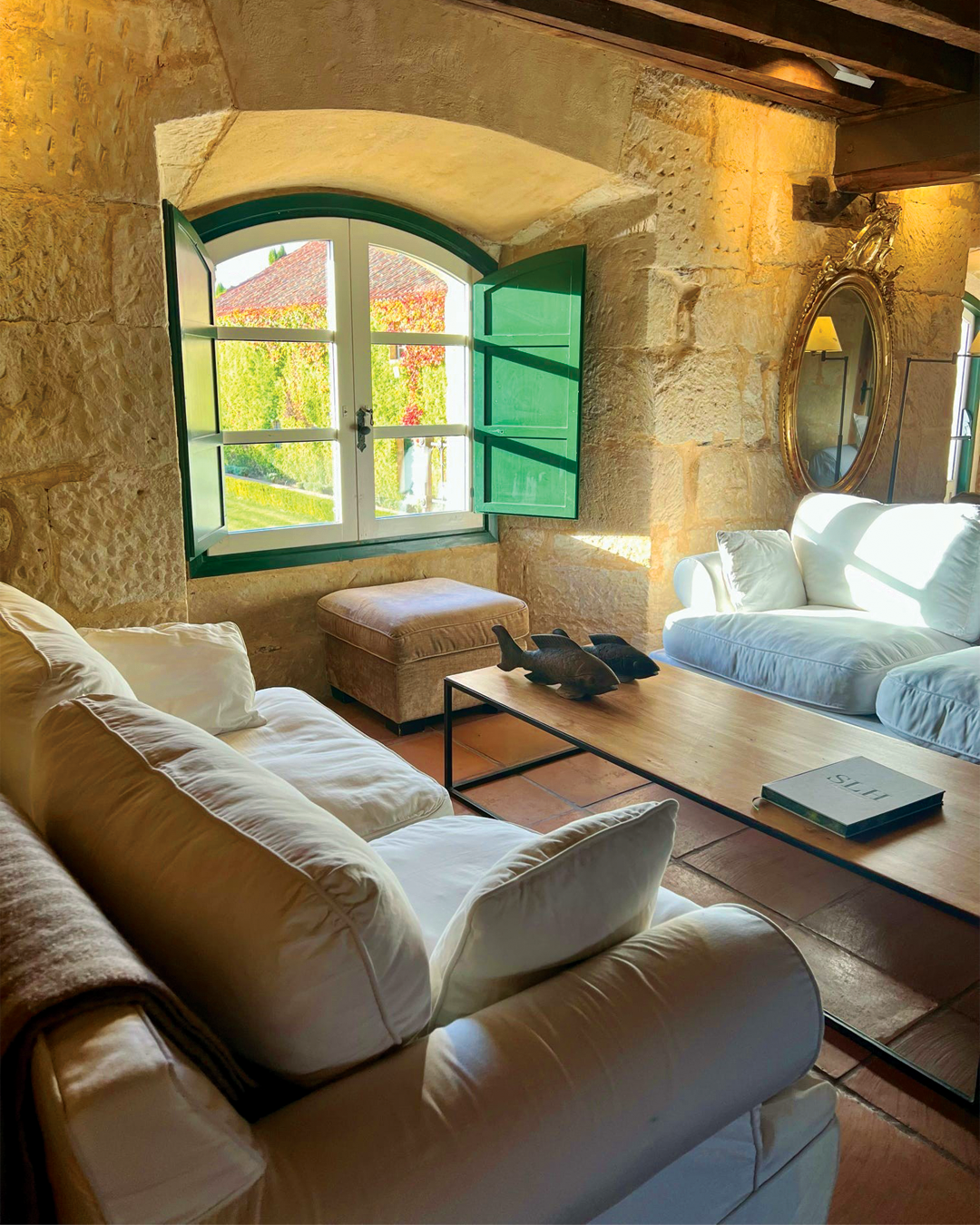 Hotel in Salamanca, Spain
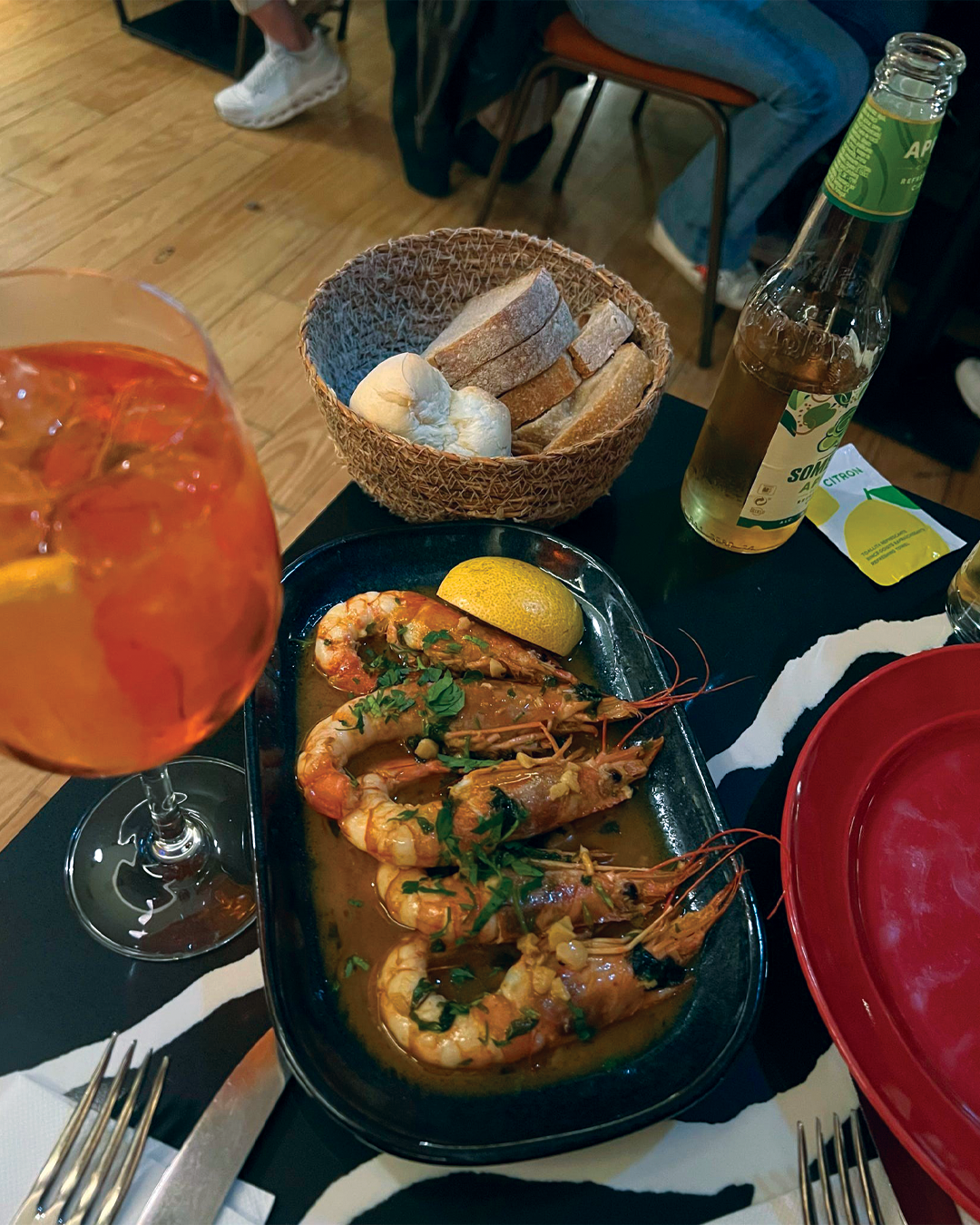 Meal in Porto, Portugal
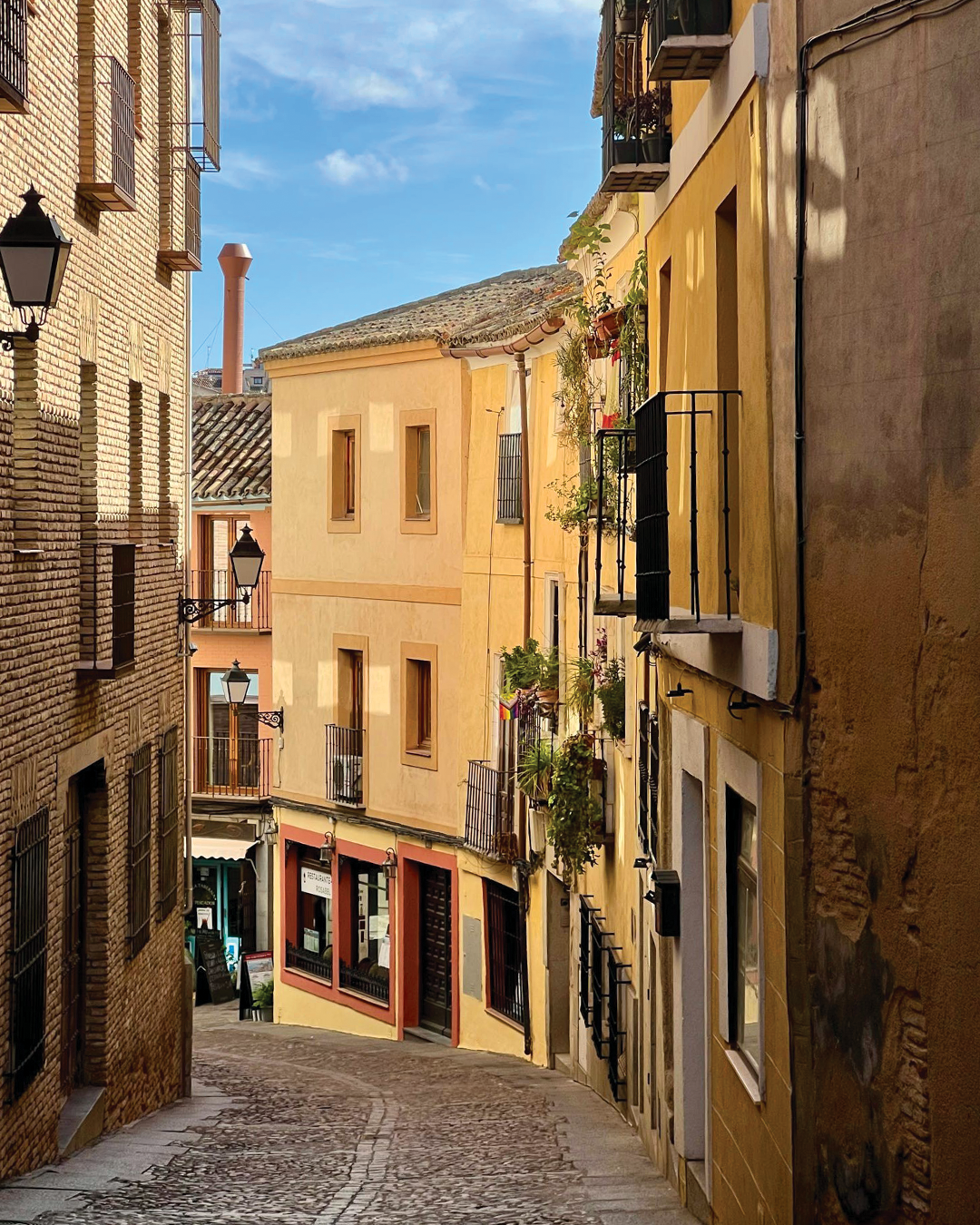 Cobblestone Streets in Toledo, Spain
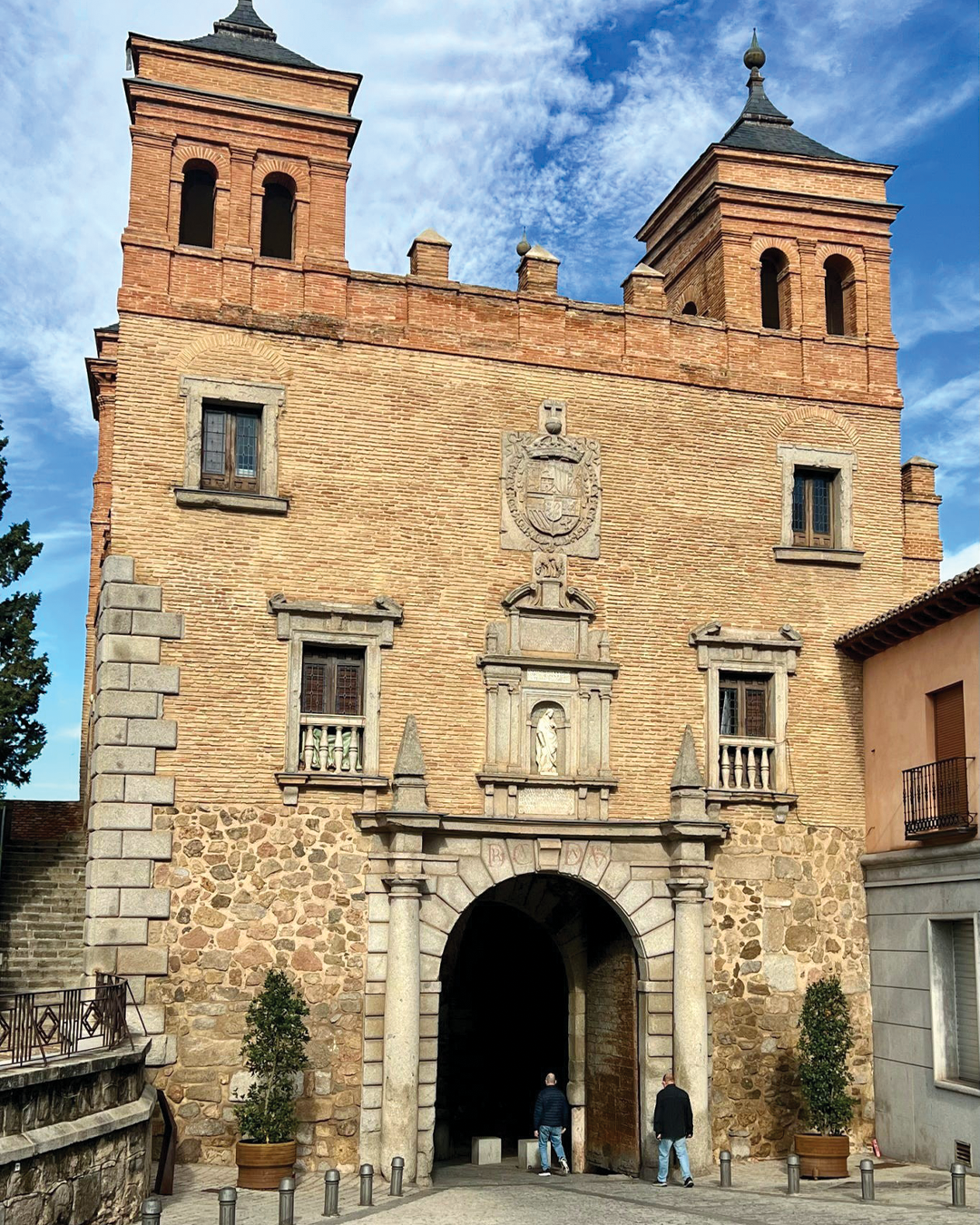 City Gate in Toledo, Spain
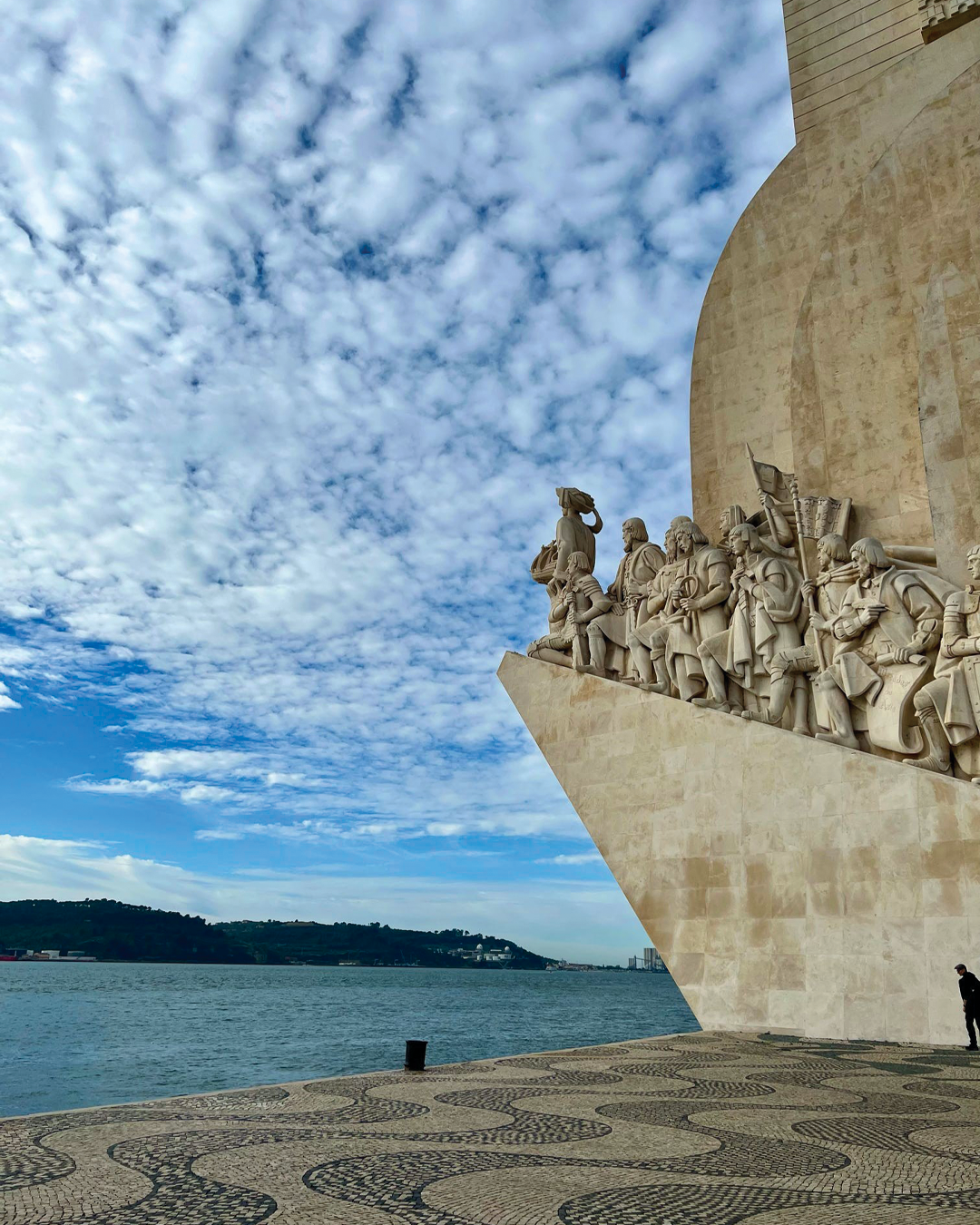 Monument to the Discoveries in Lisbon, Portugal
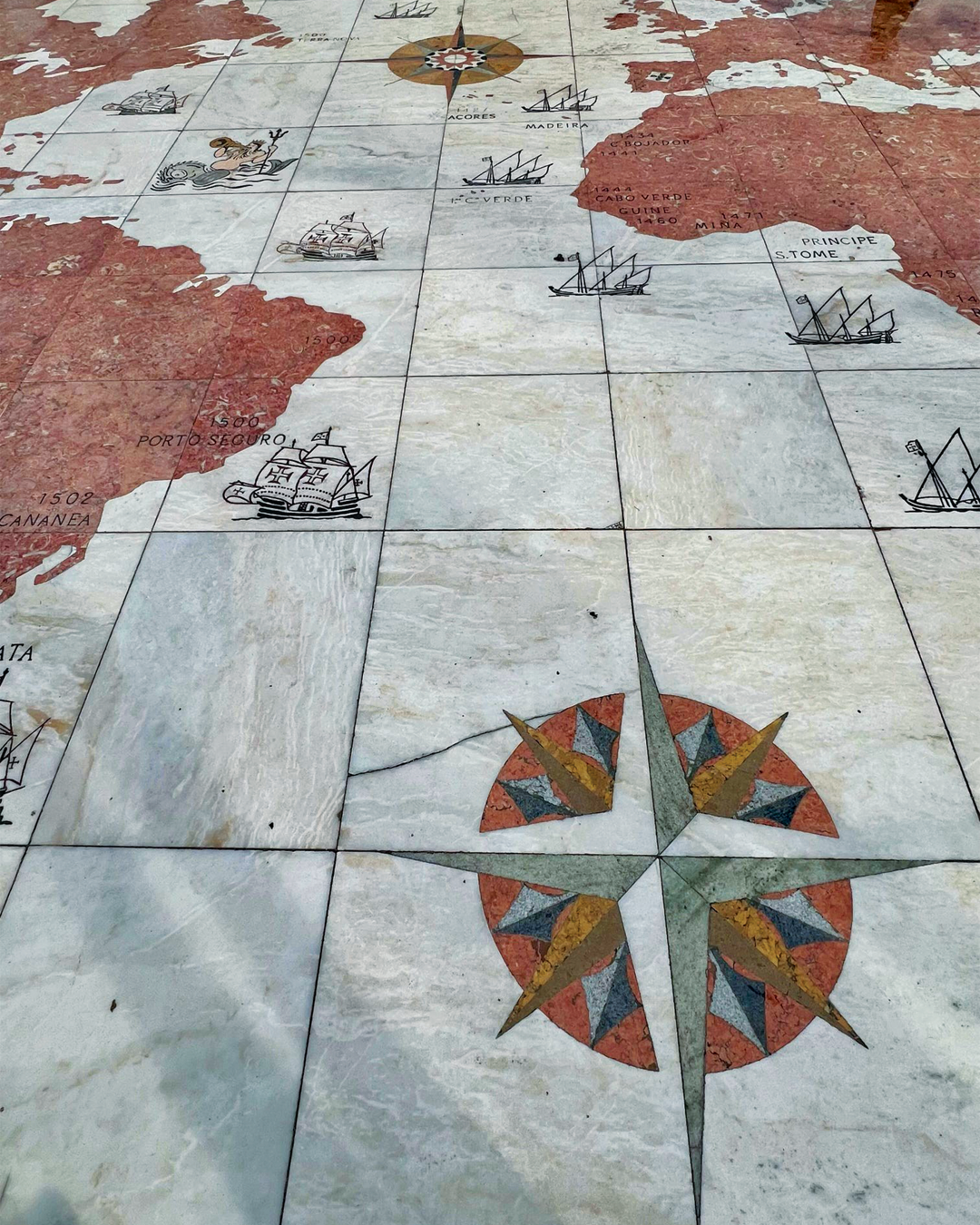 Monument to the Discoveries Compass in Lisbon, Portugal
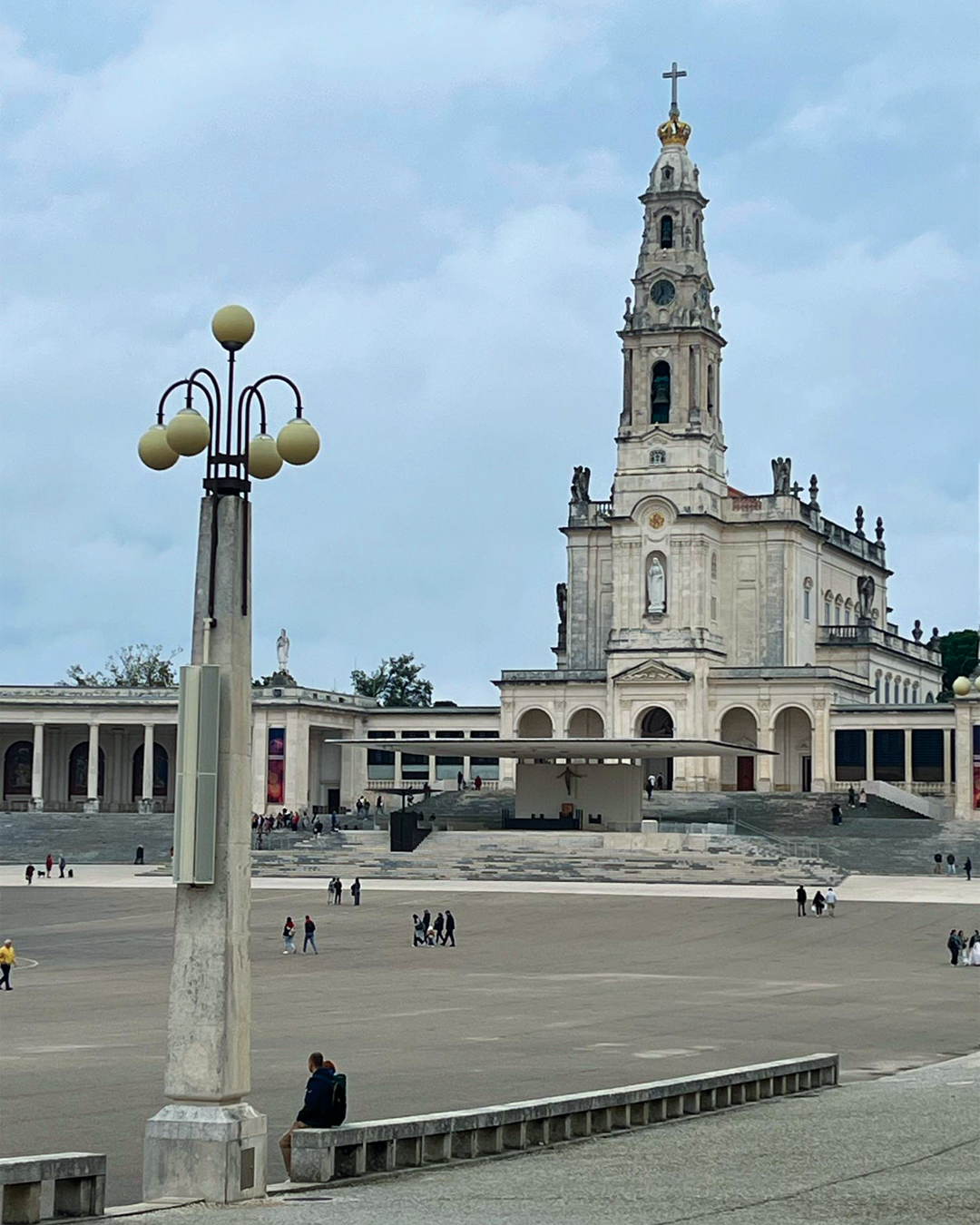 Basilica of Our Lady of the Rosary in Fátima, Portugal
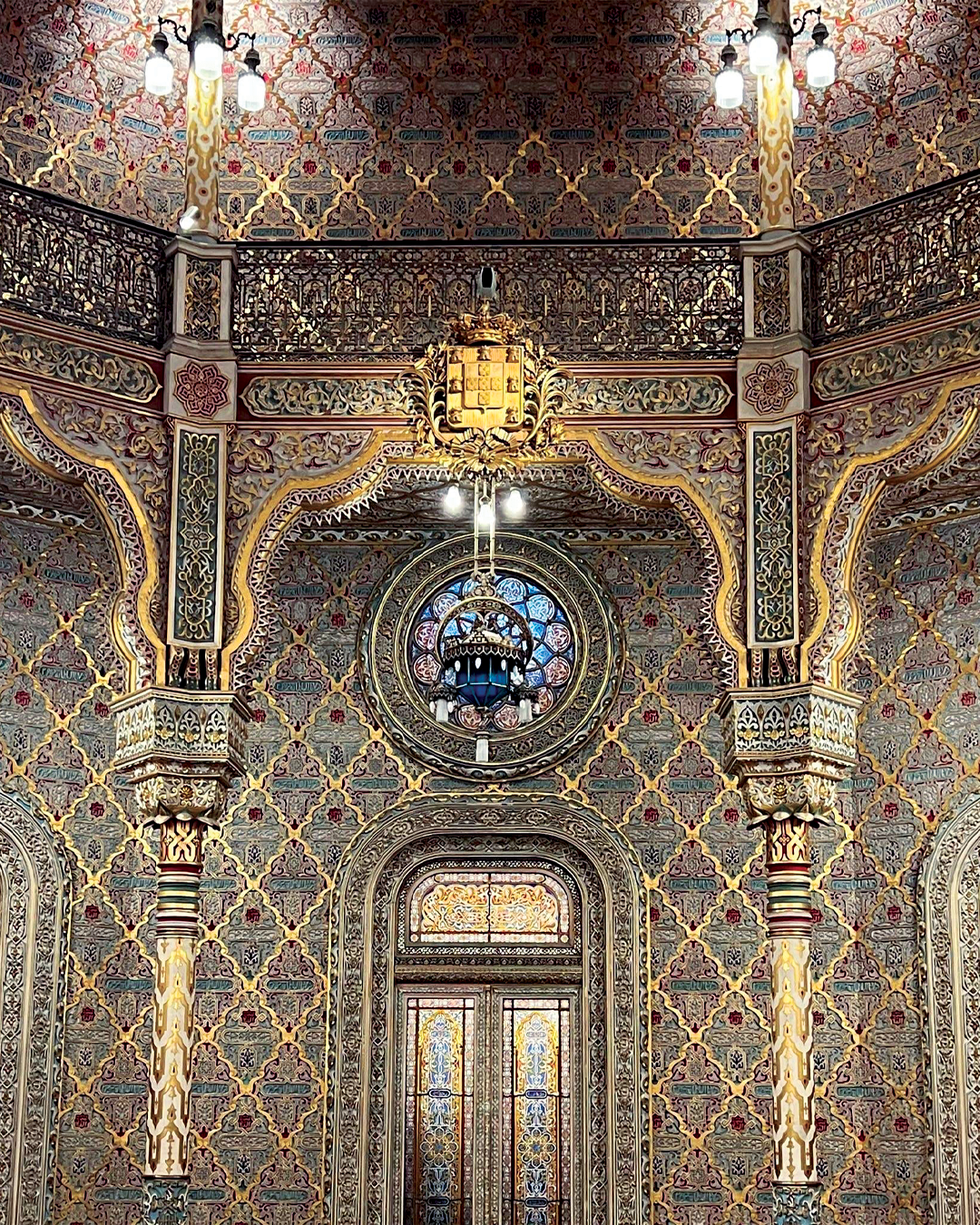 Stock Exchange Palace Arab Room in Porto, Portugal
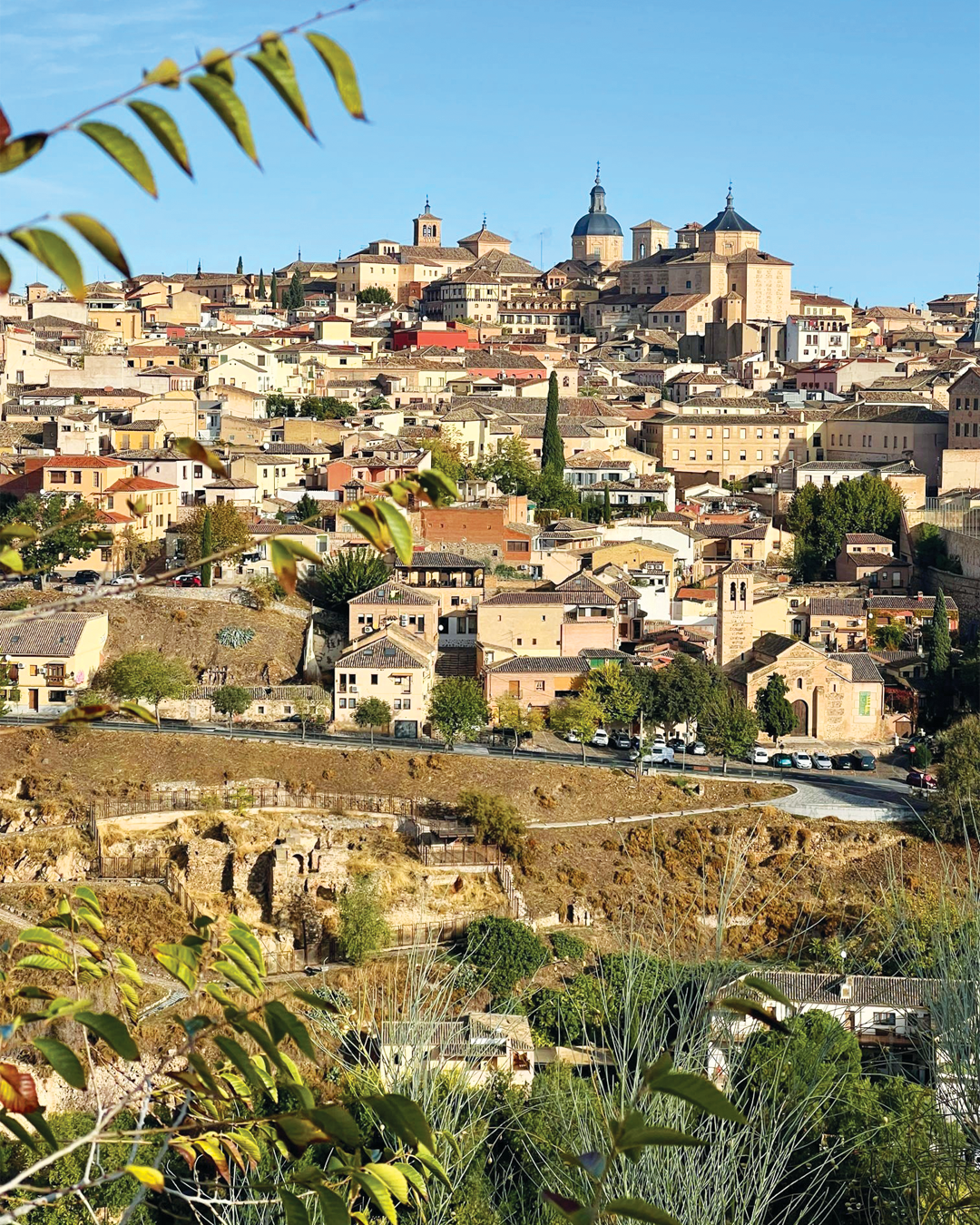 Road to Toledo, Spain
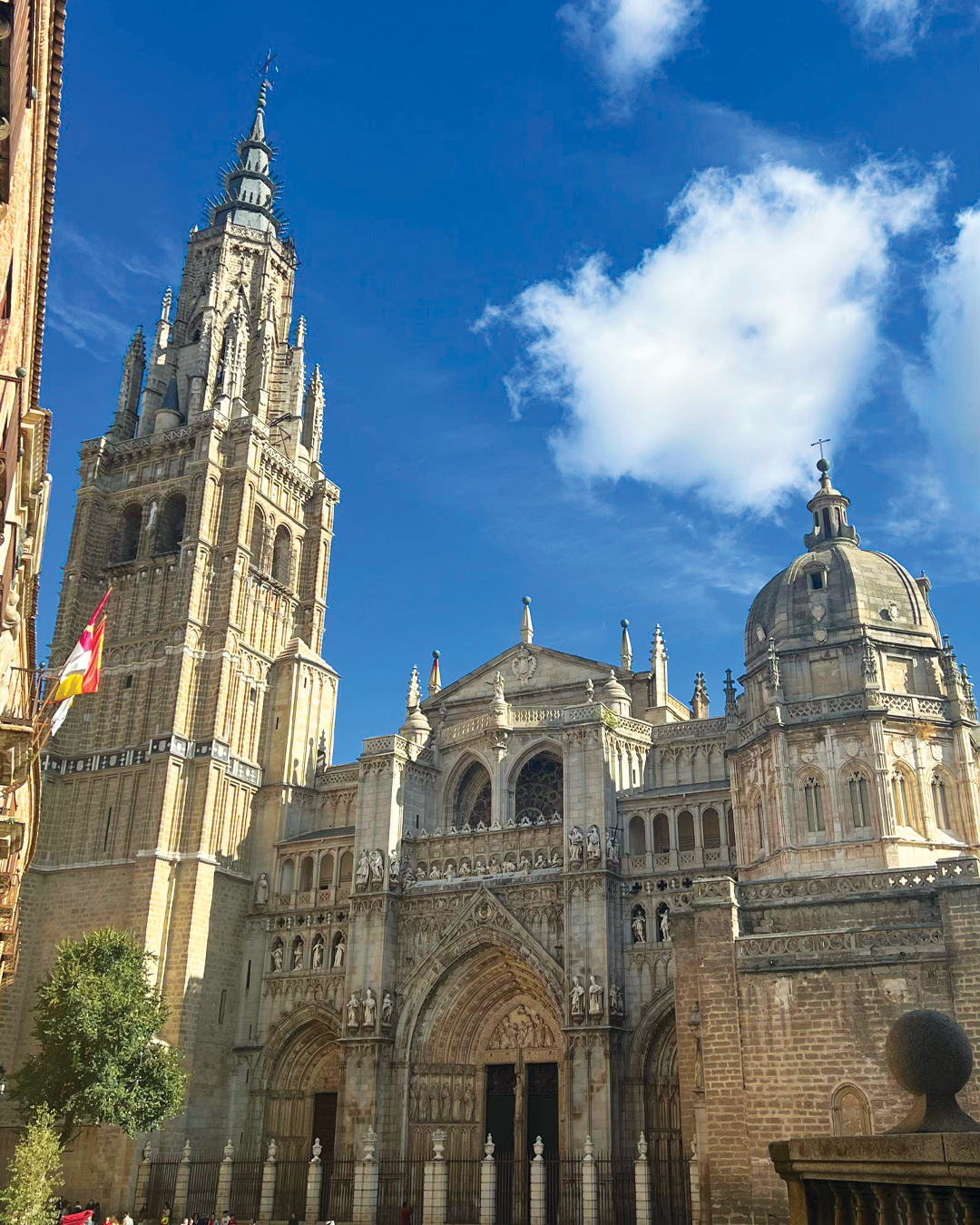 Cathedral in Toledo, Spain
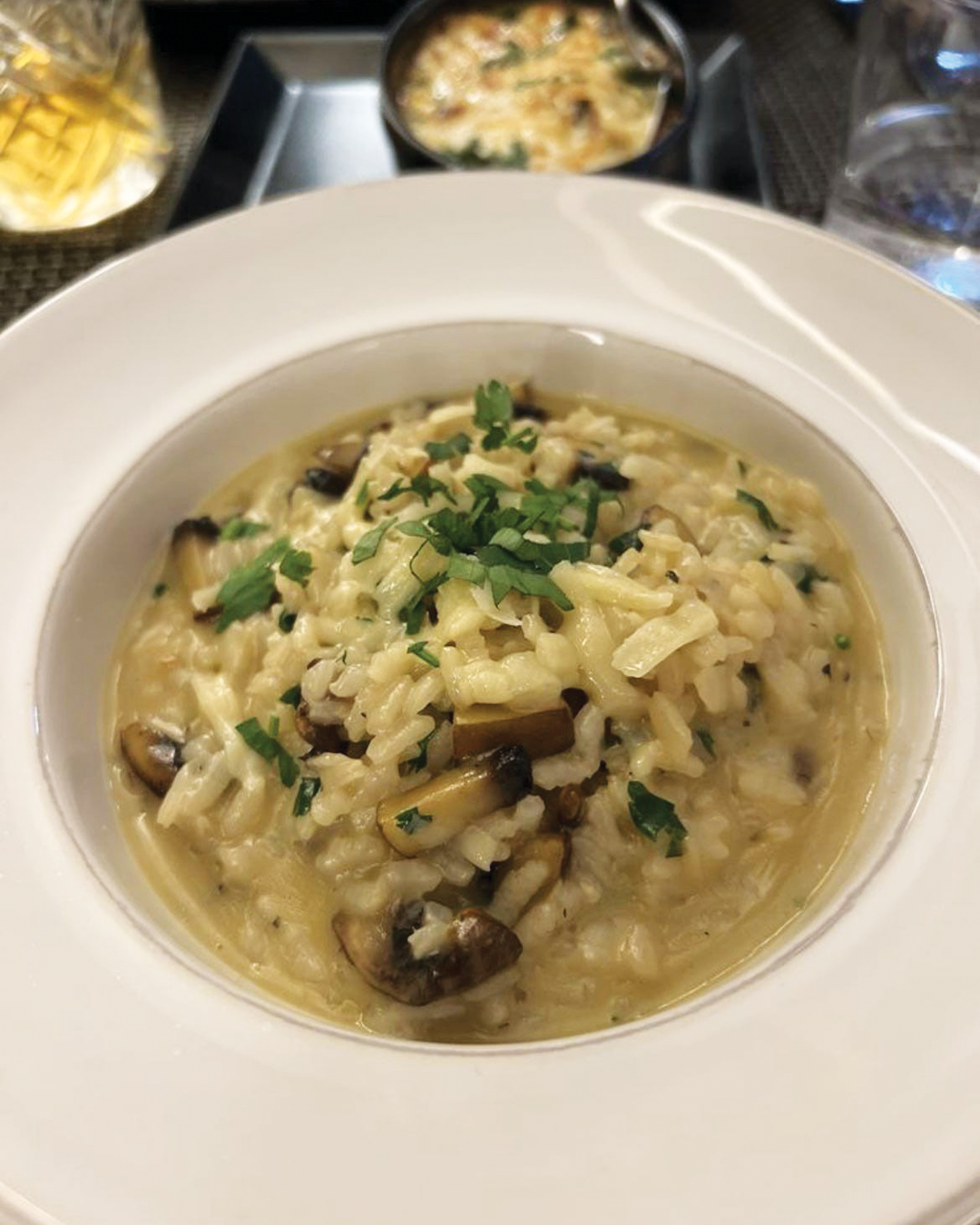 Mushroom Risotto
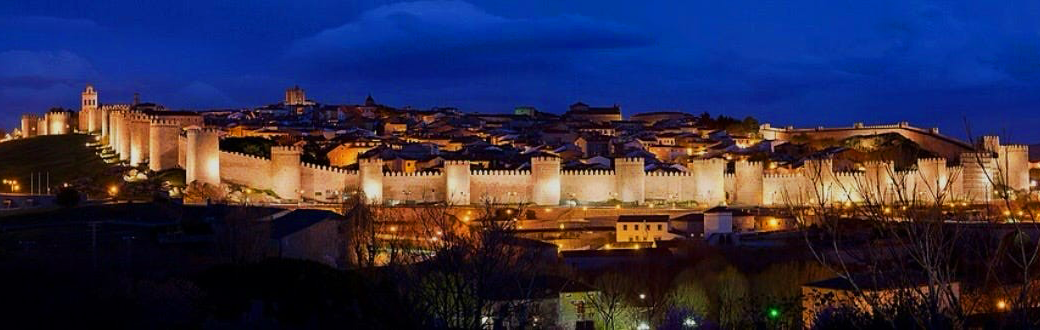 Panoramic View of Salamanca, Spain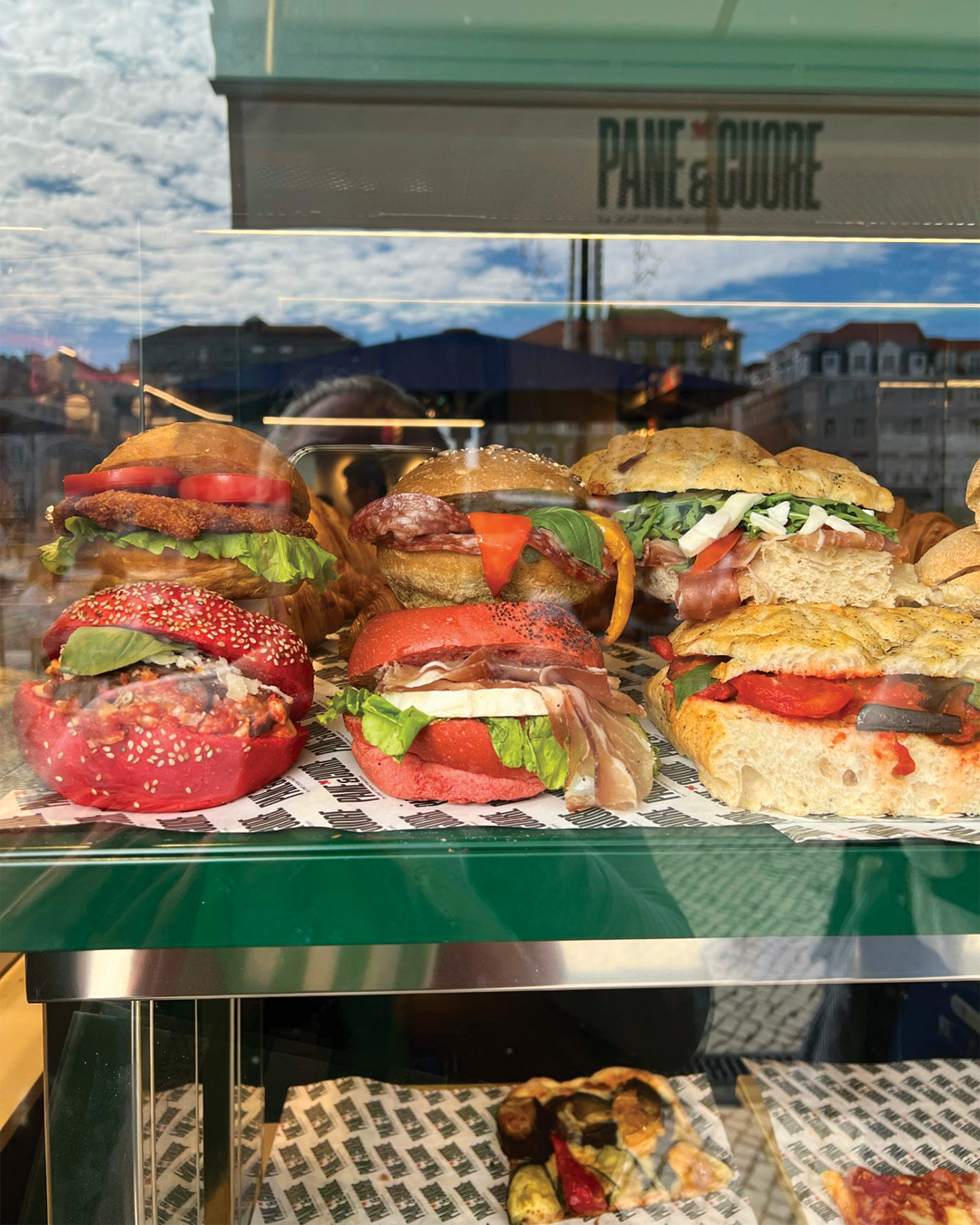
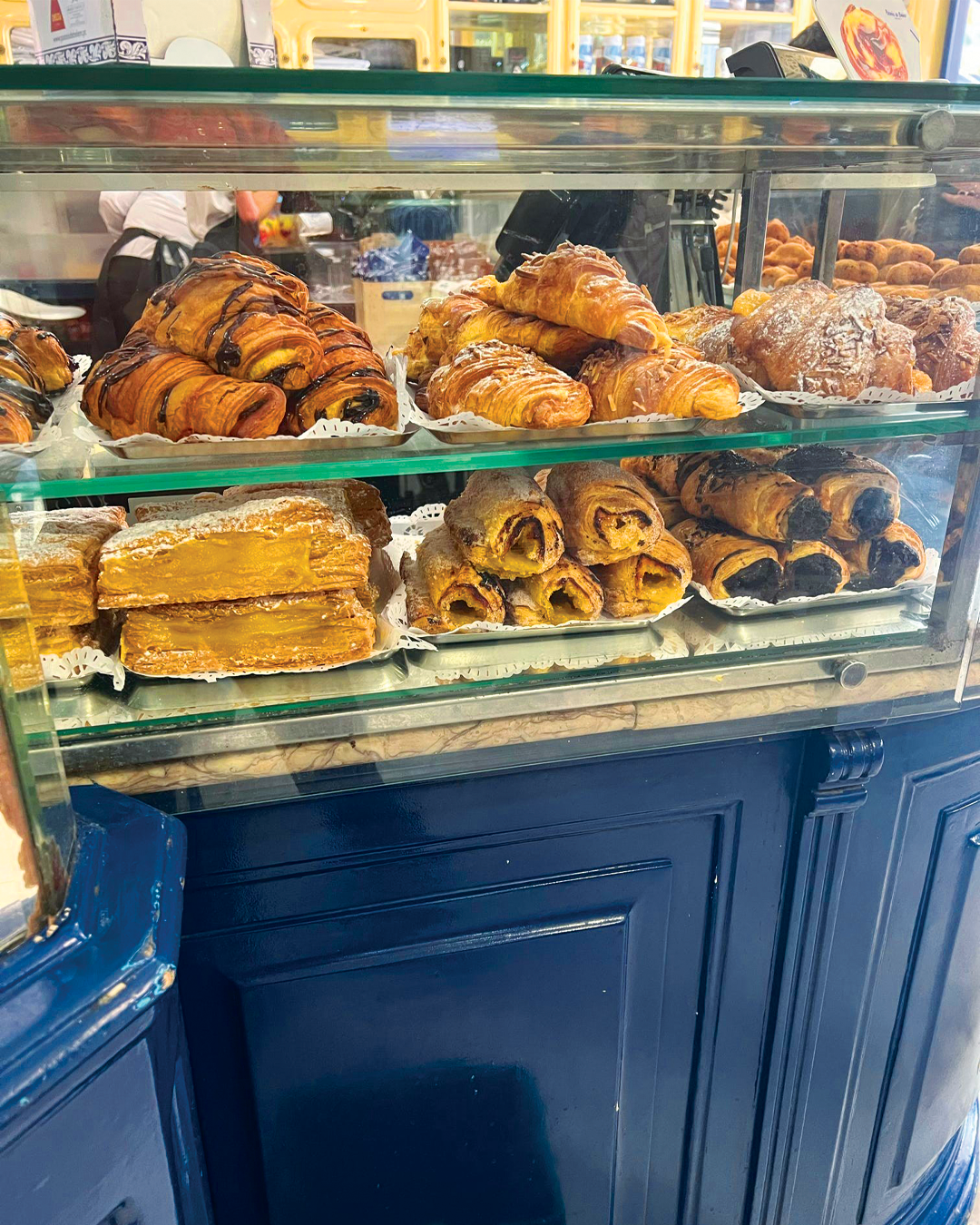 Food in Lisbon, Portugal
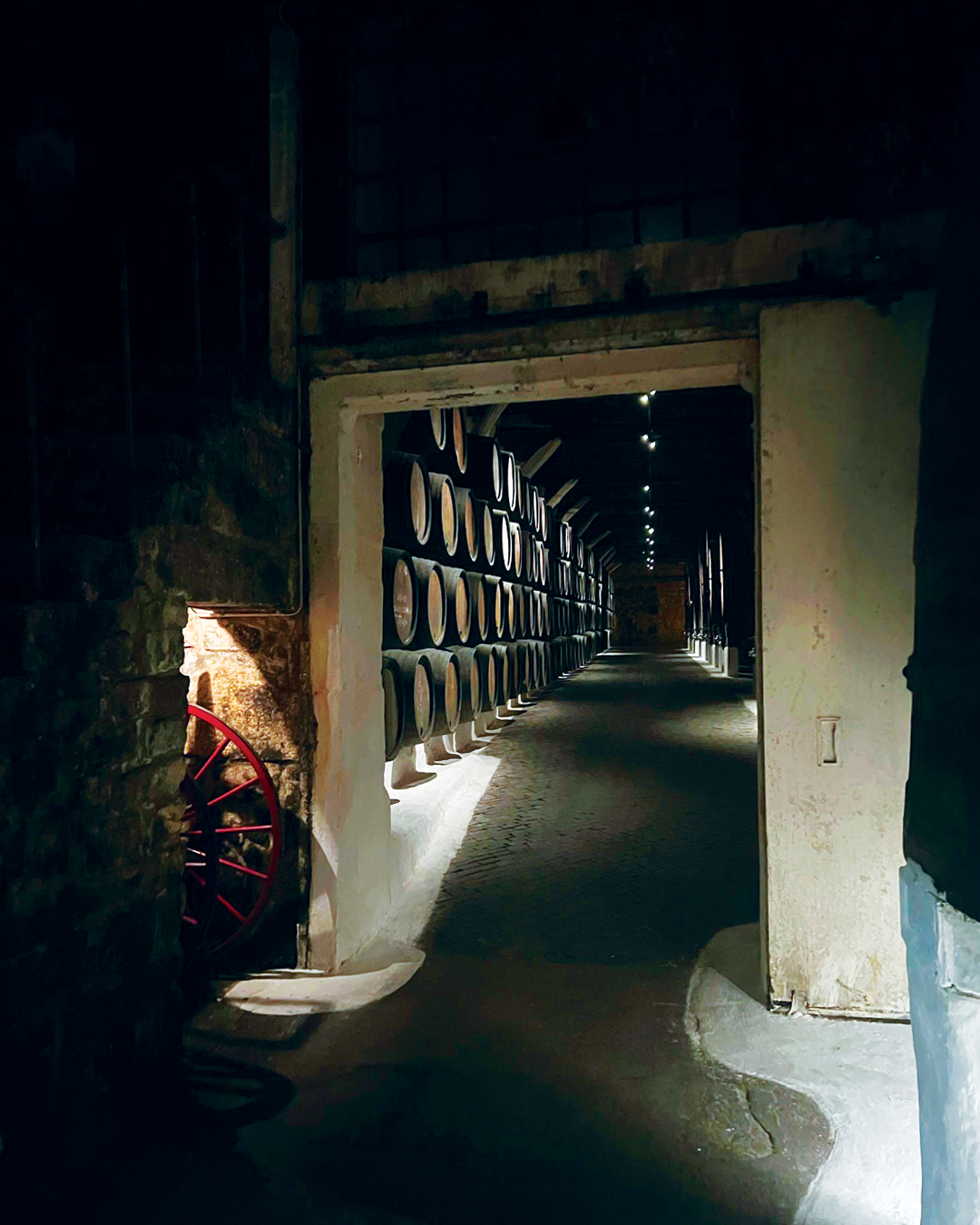 Barrels at the Winery in Porto, Portugal
 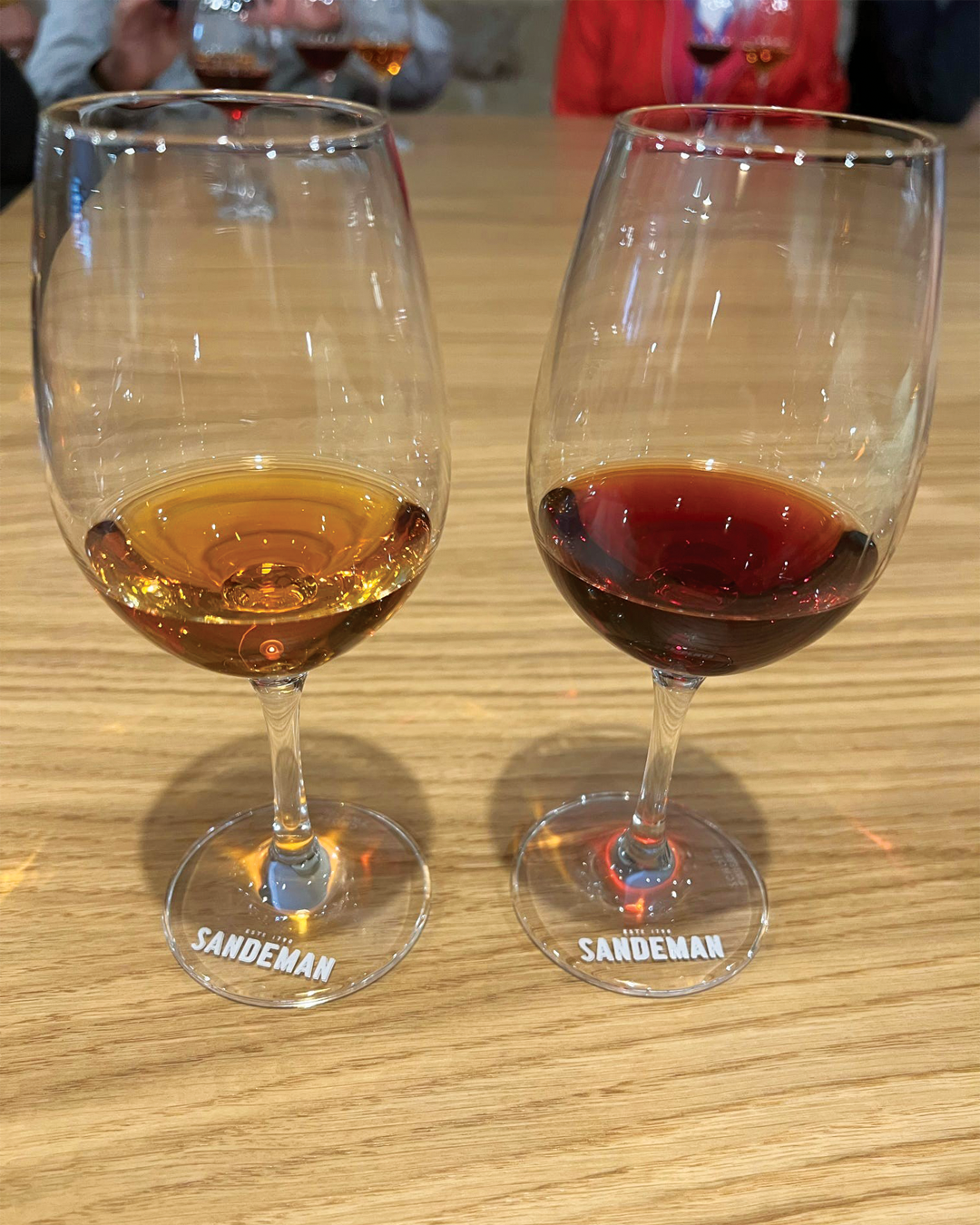 Port Wine Tasting in Porto, Portugal
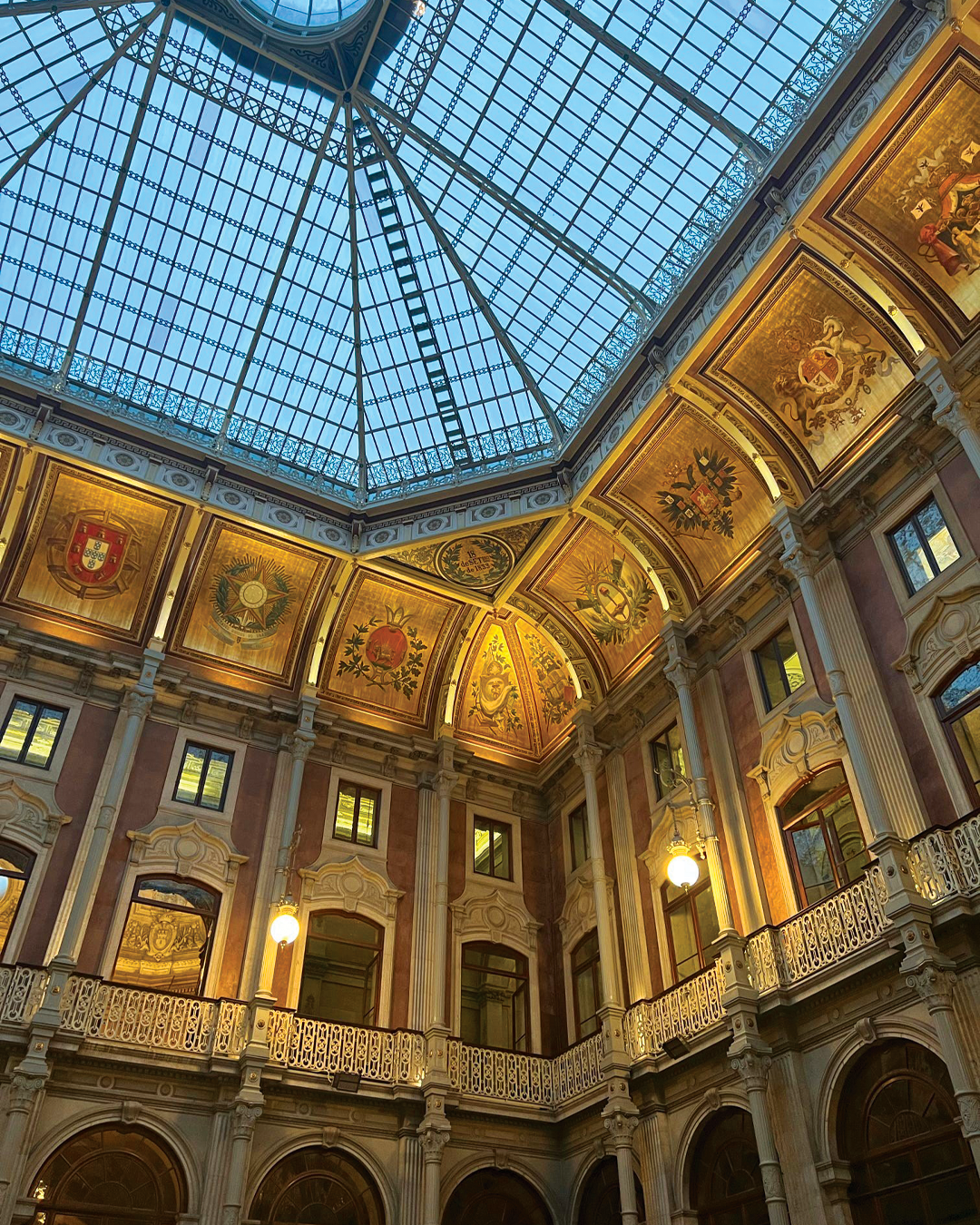 Stock Exchange Palace Main Hall in Porto, Portugal